
Taran App received a grant from Base, Coinbase’s Ethereum Layer-2 network, to advance its non-custodial platform for cross-border payments in Africa.
This funding, announced in early 2026, supports the development of infrastructure that connects fragmented mobile money systems with stablecoins, enabling users to maintain full control of their funds while benefiting from faster, more transparent settlements.
Currently operating in corridors across Kenya, Tanzania, Uganda, and Somalia, Taran App facilitates value transfers between mobile money networks and stablecoins for SMEs and individuals without intermediaries.
Bile Ahmed, CEO of Taran App, remarked: “This grant from Base is a strong validation of our mission to build practical, compliant crypto infrastructure for real-world payments in Africa.”
Non-custodial stablecoin platforms, where users retain control of private keys and funds, offer distinct advantages and challenges compared to traditional custodial remittance services, particularly in Africa’s high-cost, fragmented remittance landscape.
Benefits of Non-Custodial Stablecoin Platforms
Non-custodial platforms provide several key advantages for African remittances:
- Lower Costs: Traditional remittances in Sub-Saharan Africa average 7-8% in fees, often exceeding 8% in certain corridors. Non-custodial stablecoin transfers, leveraging blockchain networks like Base, reduce fees significantly and frequently to under 1% or a few cents per transaction by eliminating multiple intermediaries and minimising foreign exchange losses.
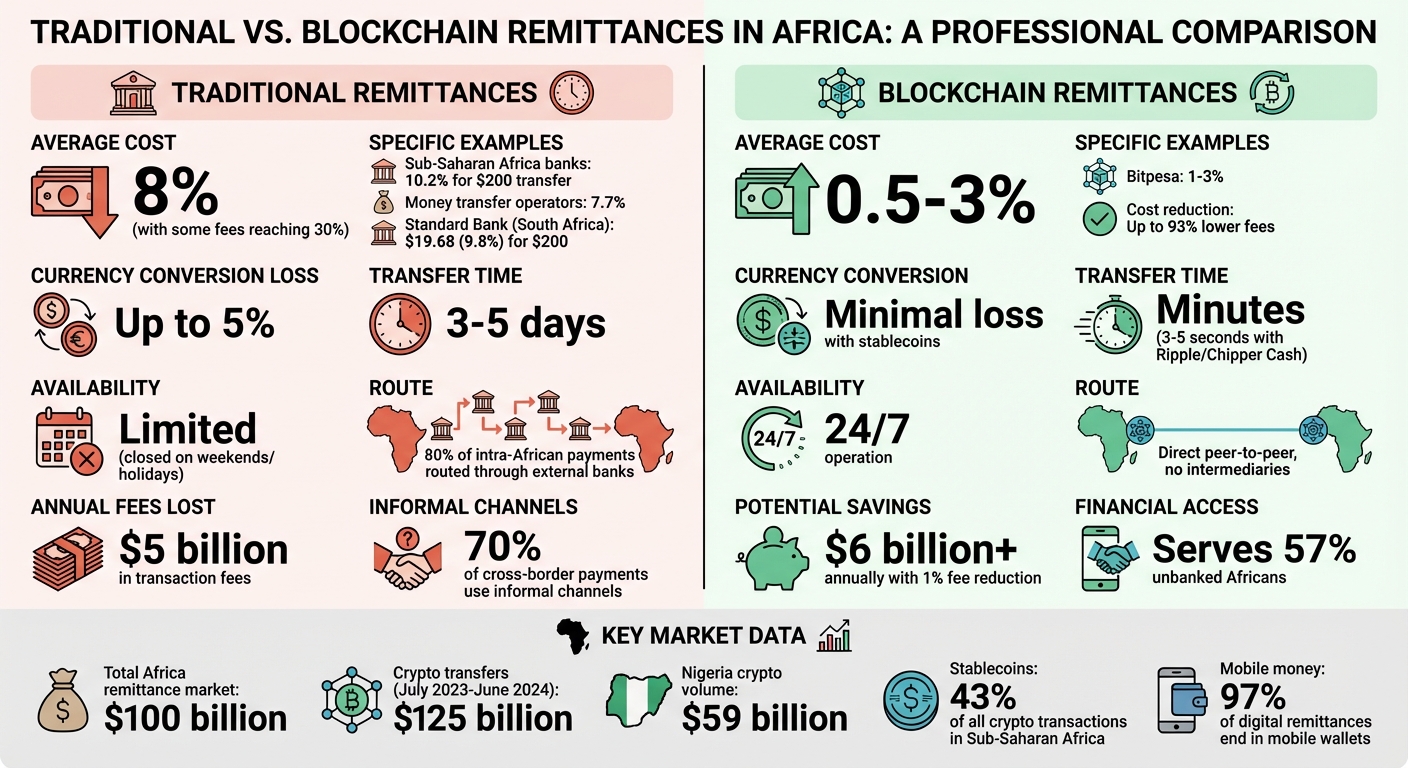
Visual representation of blockchain-enabled cross-border remittances connecting mobile money and stablecoins.
- Faster Settlement: Transactions settle in minutes or seconds on 24/7 blockchain rails, compared to days for conventional systems, enabling near-instant access to funds for recipients.
- User Control and Security: Funds remain under the user’s direct control, reducing risks associated with third-party custody, such as platform insolvency, hacks, or freezes. This enhances trust and aligns with financial sovereignty preferences in regions with limited banking access.
- Transparency and Reduced Volatility: Stablecoins pegged to assets like the US dollar protect against local currency depreciation, while blockchain provides immutable, verifiable records of transfers.
- Financial Inclusion: Platforms integrate with mobile money wallets prevalent in Africa, allowing unbanked or underbanked users to participate in global liquidity without traditional banking requirements.
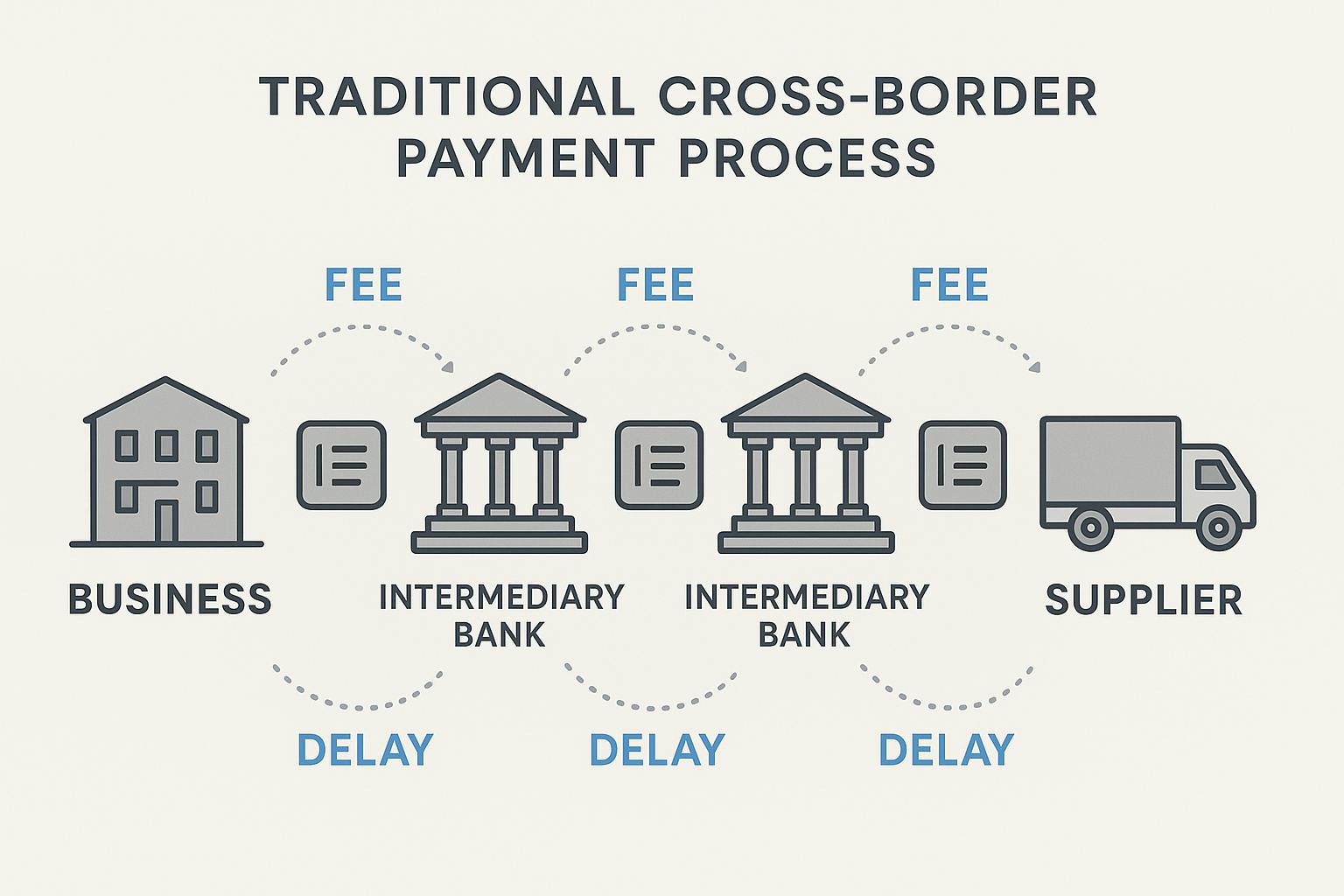
Illustrations of mobile money integration with stablecoin technology for inclusive remittances.
READ ALSO:Can M-Pesa Bridge the Gap Between Mobile Money and Crypto?
Costs and Challenges of Non-Custodial Stablecoin Platforms
Despite these benefits, non-custodial models introduce specific costs and drawbacks:
- Technical Complexity: Users must manage private keys and recovery phrases, increasing the risk of permanent fund loss due to errors, forgotten credentials, or phishing attacks, which is particularly challenging for less tech-savvy populations.
- On/Off-Ramp Friction: Converting fiat to stablecoins (and vice versa) may incur additional fees or delays through exchanges or local ramps, potentially offsetting some cost savings in low-liquidity corridors.
- Regulatory and Compliance Risks: Evolving regulations across African jurisdictions require careful navigation; non-custodial platforms face scrutiny over anti-money laundering compliance and may encounter restrictions in certain markets.
- Network Fees and Volatility Exposure: While minimal on efficient Layer-2 networks like Base, gas fees can vary, and brief exposure to blockchain congestion may occur. Users also bear responsibility for stablecoin peg stability risks, though major issuers maintain strong reserves.
- Limited Support and Recovery: Unlike custodial services with customer support for disputes or lost access, non-custodial platforms offer no centralised recourse, placing full responsibility on the user.
Broader Implications for African Remittances
Non-custodial stablecoin platforms, as exemplified by Taran App’s approach, bridge mobile money ecosystems with global on-chain liquidity, supporting corridors with high remittance dependency.
By pursuing licences in Kenya, South Africa, and Botswana, Taran App aims to formalise operations while expanding corridors, stablecoin integrations, and enterprise features.
This model contributes to reducing remittance costs toward the UN Sustainable Development Goal target of below 3%, fostering greater economic inclusion.
Looking Ahead
Non-custodial stablecoin platforms offer substantial benefits for African remittances, primarily lower costs, faster settlements, enhanced user control, and improved inclusion, while presenting challenges related to technical complexity, regulatory compliance, and user responsibility as of January 13, 2026.
Initiatives like Taran App’s development on Base demonstrate practical progress in addressing these trade-offs through secure, compliant infrastructure.
Businesses and individuals considering adoption should evaluate their technical readiness and regulatory environment. For the latest details, consult official resources from the Taran app and relevant authorities.
Stablecoin Infrastructure Overview
Stablecoin Research increasingly focuses on how stablecoin infrastructure underpins digital payments, cross-border settlements, and decentralised finance, with many analysts publishing a stablecoin infrastructure pdf to explain market models, risks, and adoption trends.
A typical stablecoin list highlights leading assets issued by major stablecoin companies and supported by specialised stablecoin infrastructure companies operating across different stablecoin blockchain networks.
Interest in stablecoin infrastructure price dynamics and related stablecoin stocks reflects growing institutional involvement in the sector.
At the user level, fintech platforms continue to integrate these systems, allowing users to complete processes such as Taran app download and Taran app login to access services linked to digital assets and stablecoin-enabled transactions.
Ronnie Paul is a seasoned writer and analyst with a prolific portfolio of over 1,000 published articles, specialising in fintech, cryptocurrency, and digital finance at Africa Digest News.


Leave a Reply