
The Central Bank of Nigeria (CBN) has upgraded the licences of several leading fintech companies and microfinance banks to full national status, including Opay, Moniepoint, Kuda Bank, and PalmPay.
This regulatory advancement, announced in January 2026, aligns the formal licensing framework with the nationwide scale at which these platforms already operate.
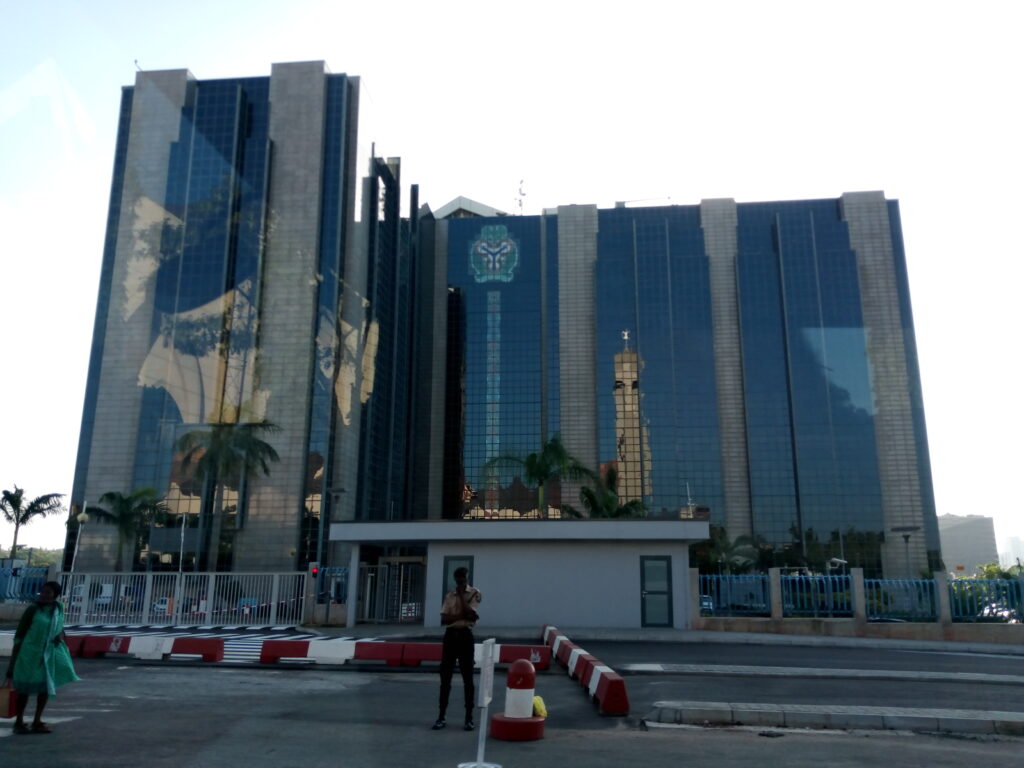
Previously constrained by unit, state, or tiered licences, these institutions can now legally conduct business across the entire country without geographic restrictions.
The change reflects the CBN’s recognition of their established operational footprint and aims to enhance oversight, consumer protection, and systemic stability.
Alignment of Regulation with Operational Reality
Yemi Solaja, Director of the Other Financial Institutions Supervision Department at the CBN, announced the upgrades at a banking conference in Lagos.
He emphasised that national licensing provides customers with clearer guidance on complaint mechanisms and dispute resolution channels.
The transition imposes stricter regulatory requirements, including significantly higher capital thresholds, enhanced compliance frameworks, and intensified supervisory scrutiny.
For national microfinance banks, these obligations exceed those applicable to state or unit operators, ensuring greater resilience and accountability.
Support for Financial Inclusion and Service Delivery
The decision formalises the pivotal role of fintech platforms and agent networks in delivering banking and payments services, particularly in rural and underserved areas.
By granting national status, the CBN encourages these institutions to maintain physical touchpoints in strategic locations, strengthen internal controls, and improve customer service standards, especially in Know Your Customer (KYC) and anti-money laundering (AML) processes.
This formalisation supports broader financial inclusion objectives by legitimising and expanding the reach of digital financial services, thereby reducing reliance on informal channels and promoting equitable access to formal banking.
READ ALSO:Who Wins and Who Loses Under CBN’s Tougher Agent Banking Rules?
Implications for the Nigerian Fintech Ecosystem
The upgrades reinforce transparency and accountability within Nigeria’s fintech sector.
Institutions such as Opay, Moniepoint, Kuda Bank, and PalmPay, known for their innovative digital wallets, payment solutions, and banking apps, can now operate under a unified national framework that matches their actual market presence.
The move is expected to foster continued innovation while ensuring robust risk management, ultimately benefiting consumers through more reliable and regulated financial products.
Looking Ahead
The CBN’s decision to grant national banking licences to leading fintechs and microfinance institutions represents a deliberate step toward regulatory maturity.
By aligning licensing with operational scale, the authority strengthens consumer protection, enhances financial inclusion, and promotes a more transparent fintech ecosystem in Nigeria.
This development positions the sector for sustainable growth under enhanced oversight. For the most current information, refer to official statements from the Central Bank of Nigeria and the respective licensed institutions.
The Central Bank of Nigeria Overview
The Central Bank of Nigeria (CBN) is the apex monetary authority of Nigeria, responsible for issuing the country’s legal tender, the Nigerian naira (NGN), and managing monetary policy, financial stability and foreign exchange operations in line with national objectives.
The current Central Bank of Nigeria Governor is Olayemi Cardoso, who took office in September 2023.
The CBN publishes daily official Central Bank of Nigeria exchange rate data (e.g., for the naira against the US dollar and other currencies) based on the Nigerian Foreign Exchange Market (NFEM) rates on its official rates page.
You can find authoritative information and resources, including policy updates, exchange rates, publications and official announcements, on the Central Bank of Nigeria website at https://www.cbn.gov.ng.
Ronnie Paul is a seasoned writer and analyst with a prolific portfolio of over 1,000 published articles, specialising in fintech, cryptocurrency, climate change, and digital finance at Africa Digest News.


Leave a Reply