
The Central Bank of Nigeria has approved Kuda Microfinance Bank’s upgrade from a unit microfinance bank licence to a national microfinance bank licence.
The decision, formalised in late January 2026 following the bank’s prior unit status until December 2025, enables Kuda to establish a physical presence across all 36 states and the Federal Capital Territory, removing previous geographic restrictions that limited operations to a single location.
Kuda now joins a select group of only nine institutions holding national microfinance bank licences in Nigeria, representing less than 2% of the country’s more than 720 licensed microfinance banks.
This milestone reflects the bank’s demonstrated scale, operational maturity, and alignment with the Central Bank’s evolving regulatory framework for large digital financial service providers.
Key Implications of the Licence Upgrade
The national licence grants Kuda the authority to open branches or customer experience centres nationwide, providing in-person support for issues that cannot be resolved digitally through the app.
While Kuda remains fundamentally a digital-first institution, these physical touchpoints will enhance accessibility, build greater trust among users, and facilitate engagement with segments that prefer or require face-to-face interaction.
The upgrade imposes stricter obligations, including an increase in minimum capital requirements from ₦200 million to ₦5 billion, mandatory publication of annual financial accounts in national newspapers, and adherence to elevated governance, risk management, and reporting standards.
These measures ensure systemic stability, as Kuda’s operations span the entire country.

Similar upgrades have been granted to other prominent fintechs, such as OPay and Moniepoint, indicating a broader Central Bank policy to align licensing structures with actual operational footprints and to encourage physical presence for institutions serving large customer bases.
Demonstrated Scale and Performance Metrics
Kuda’s upgrade is underpinned by substantial growth and transaction volumes. The bank serves over 7 million registered users and processed more than 300 million transactions valued at ₦14.3 trillion in the first quarter of 2025 alone, highlighting its capacity to manage high-volume digital banking services effectively.
READ ALSO:Why Owning a Bank Changes Paystack’s Growth Path
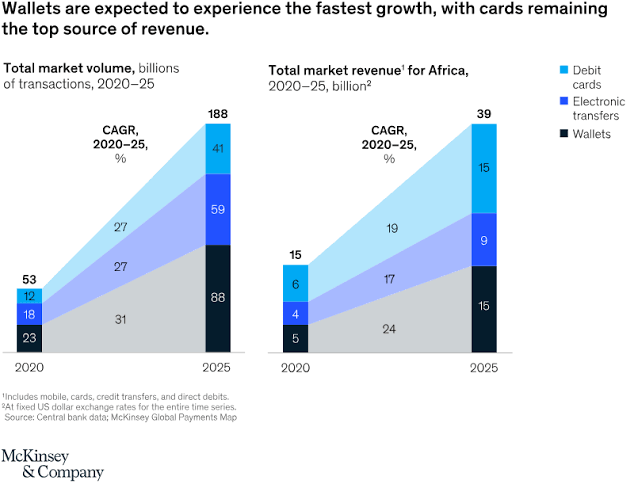
These metrics underscore Kuda’s maturity and readiness to assume the responsibilities of a national operator, positioning it to contribute more broadly to financial inclusion in Nigeria, where approximately 45% of adults engage with digital financial services while over 40% remain excluded from formal banking.
Strategic Context and Future Outlook
The Central Bank’s emphasis on physical presence for large-scale digital providers aims to strengthen regulatory oversight, enhance consumer protection, and extend services to underserved populations through hybrid models.
For Kuda, the licence complements its core digital offering by enabling targeted physical interventions where they add the most value, such as onboarding, dispute resolution, and community outreach.
This hybrid approach supports continued innovation while addressing barriers to inclusion in the informal sector and rural areas.
Looking Ahead
Kuda Microfinance Bank’s transition to a national licence represents a pivotal evolution from a regionally constrained unit operator to a nationwide financial institution capable of scaling impact across Nigeria.
The upgrade validates the bank’s robust performance, user growth, and transaction processing capabilities while aligning with regulatory expectations for larger digital players.
As of February 2, 2026, this development positions Kuda to advance financial inclusion through a balanced digital and physical model.
For the most current regulatory details and implementation plans, consult official announcements from Kuda and the Central Bank of Nigeria.
Kuda Overview
Kuda app download is available for Android (Google Play) and iOS (Apple App Store), or you can open an account via the official Kuda bank website at kuda.com.
Kuda Login is done with your registered email or phone number and password inside the app or via the web portal; you’ll receive an OTP (one-time passcode) to confirm access.
You can also login Kuda with Gmail if that email address was used during your account registration, entering your email and password at the login prompt before confirming with the OTP sent to your inbox.
Kuda UK refers to Kuda’s operations in the United Kingdom, where residents can open and use Kuda accounts for local banking and international transfers alongside the Nigerian offering.
M-PESA USSD code: Kuda does not have its own dedicated USSD code for full banking transactions (balance checks, transfers, etc.), since it is primarily app-based, though you can add money via partner bank USSD codes that work with your Kuda account.
Ronnie Paul is a seasoned writer and analyst with a prolific portfolio of over 1,000 published articles, specialising in fintech, cryptocurrency, climate change, and digital finance at Africa Digest News.


Leave a Reply