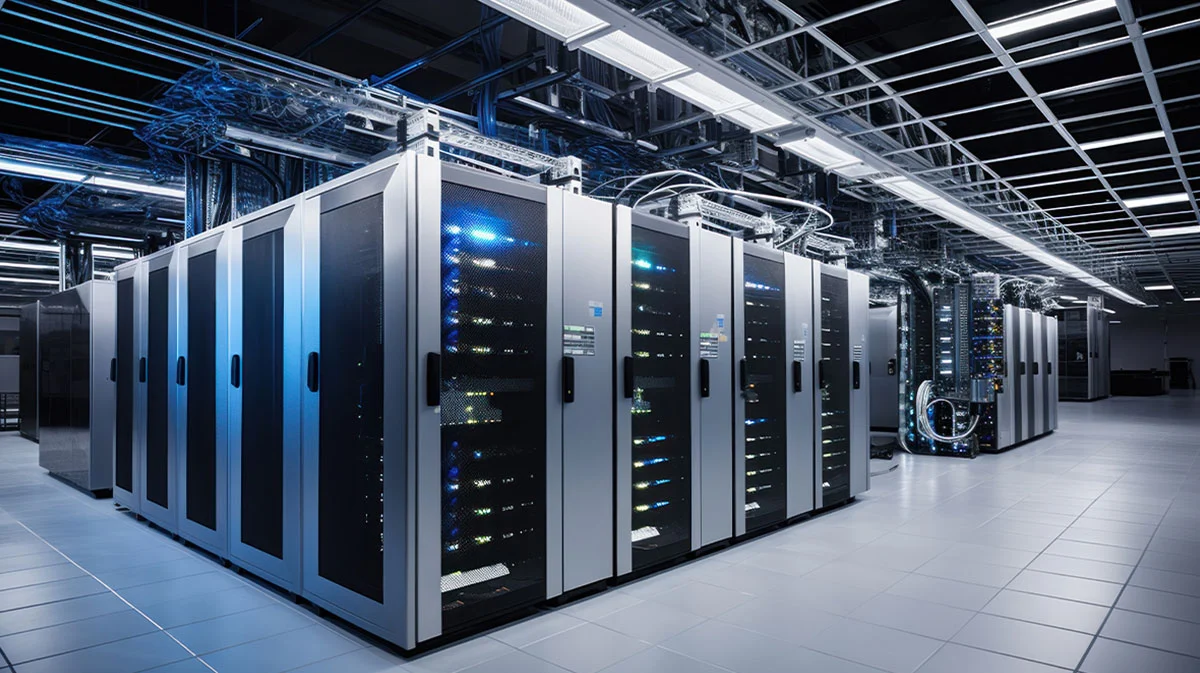
A data centre is a specialised physical facility designed to house computer systems, storage devices, networking equipment, and supporting infrastructure required for the secure storage, processing, and management of large volumes of digital data.
These facilities serve as the foundational backbone of modern digital services, powering everything from websites and cloud applications to email systems and artificial intelligence workloads.
In simple terms, a data centre functions as a highly secure and reliable “warehouse” for computers that run continuously to support businesses, governments, and individuals worldwide. Without data centres, the internet as we know it would not exist.
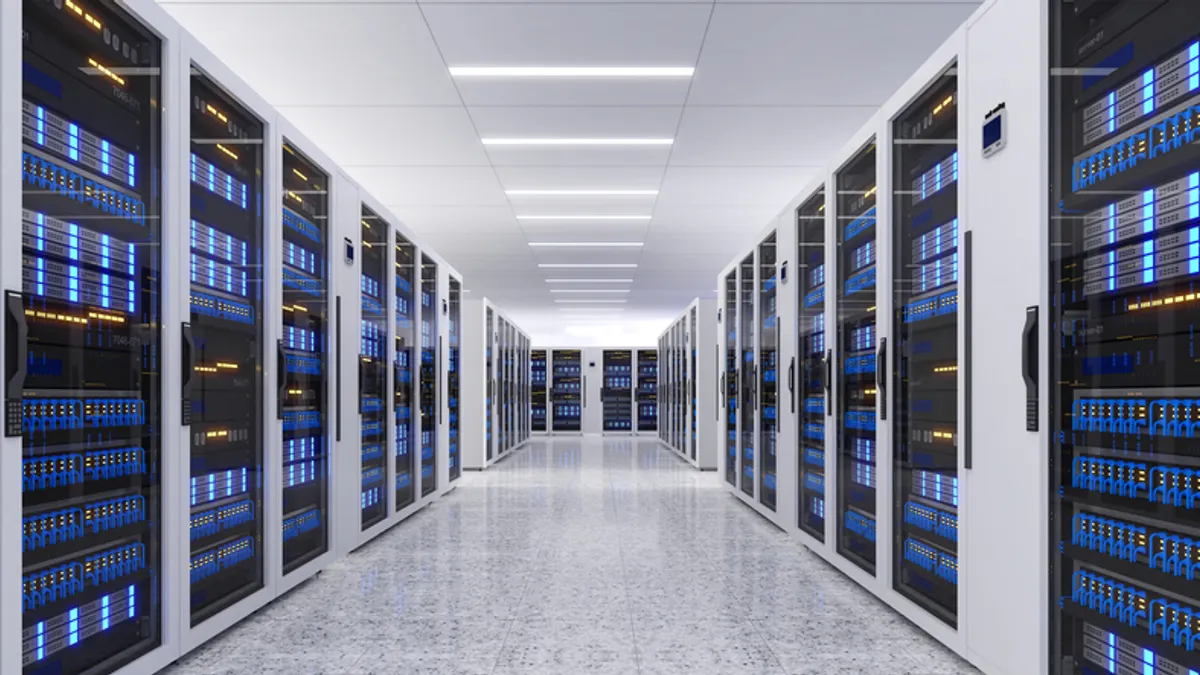
Core Definition and Purpose
At its essence, a data centre is a dedicated building or room equipped with servers and related hardware to store, process, and distribute data.
It ensures that information remains accessible, protected, and available even during power outages or technical disruptions.
The primary purposes include:
- Storing vast amounts of data securely.
- Processing computations for applications and services.
- Enabling rapid data retrieval and transmission to users across the globe.
- Supporting redundancy to minimise downtime.
Data centres range from small on-premises facilities within an organisation to massive hyperscale operations managed by major cloud providers.
Key Components of a Data Centre
Data centres consist of several integrated components that work together to maintain reliable operations. The main categories are compute, storage, networking, and support infrastructure.
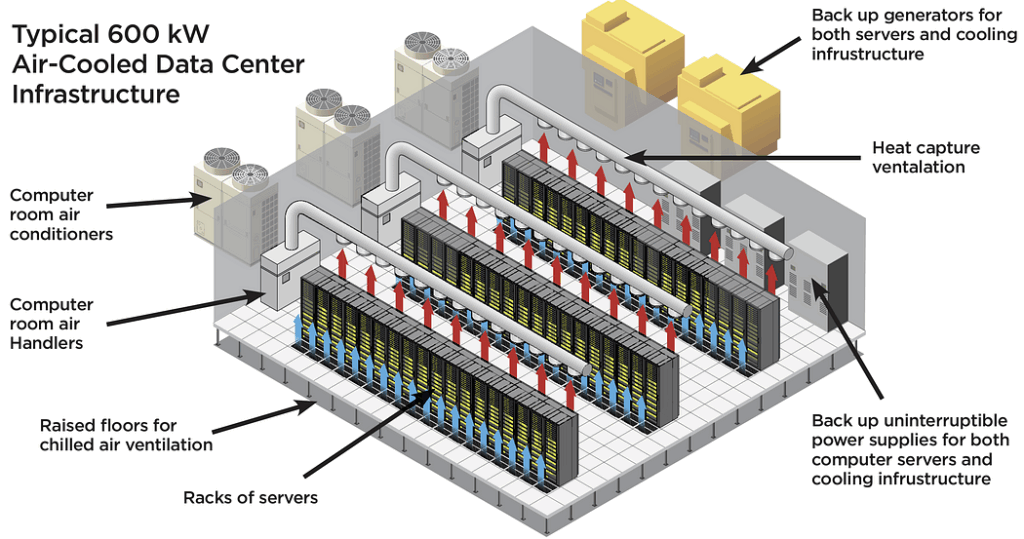
- Servers: Powerful computers that perform calculations, run applications, and host services. They are typically mounted in racks and operate 24/7.
- Storage Systems: Devices such as hard drives, solid-state drives, and arrays that hold data persistently, often with redundancy for protection against failure.
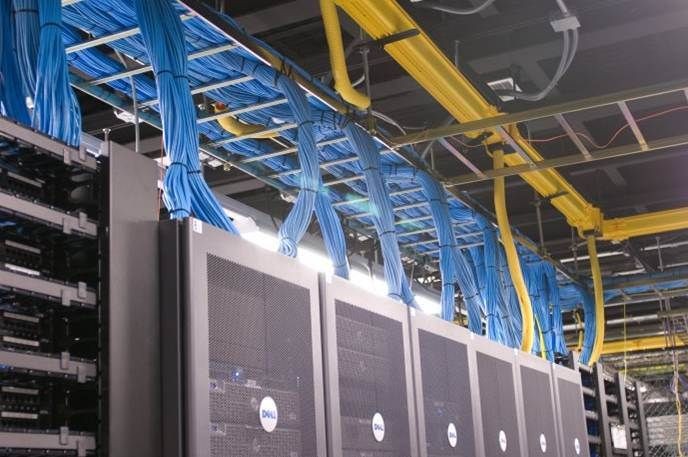
- Networking Equipment: Routers, switches, firewalls, and cables that connect servers internally and link the data centre to the internet or external networks.
Support infrastructure is equally critical:
- Power Systems: Include uninterruptible power supplies (UPS), backup generators, and redundant feeds to ensure continuous electricity.
- Cooling Systems: Advanced air conditioning, liquid cooling, or ventilation to manage the substantial heat generated by equipment.
- Physical Security: Access controls, surveillance, fire suppression, and environmental monitoring to protect against threats.
Primary Functions of a Data Centre
Data centres perform several essential functions that enable digital operations:
- Data Storage: Safely housing information in large quantities with mechanisms for backup and recovery.
- Data Processing: Executing complex computations, such as running software, analysing data, or training AI models.
- Data Distribution: Delivering content and services quickly to end-users via high-speed connections.
- Reliability and Redundancy: Maintaining uptime through duplicate systems (e.g., multiple power sources and cooling paths) to prevent service interruptions.
- Security: Protecting data from physical and cyber threats through layered defences.
These functions ensure that services remain available, performant, and secure, even under high demand.
Types of Data Centres
Data centres vary based on ownership, scale, and purpose:
- On-Premises (Enterprise): Owned and operated by a single organisation for internal use.
- Colocation: Facilities where multiple companies rent space, power, and cooling.
- Cloud / Hyperscale: Massive centres run by providers like AWS, Google, or Microsoft, offering shared resources over the internet.
- Edge: Smaller facilities located closer to users to reduce latency for applications like streaming or IoT.
In summary, a data centre is far more than a room full of computers; it represents a sophisticated, highly engineered environment that underpins the global digital economy.
By combining powerful hardware with robust support systems, data centres deliver the reliability, speed, and security required for contemporary technology.
Understanding these fundamentals provides a solid foundation for appreciating the infrastructure behind everyday digital experiences.
For further exploration, resources from established providers such as AWS, IBM, or Cisco offer detailed insights into evolving data centre technologies.
Ronnie Paul is a seasoned writer and analyst with a prolific portfolio of over 1,000 published articles, specialising in fintech, cryptocurrency, climate change, and digital finance at Africa Digest News.


Leave a Reply