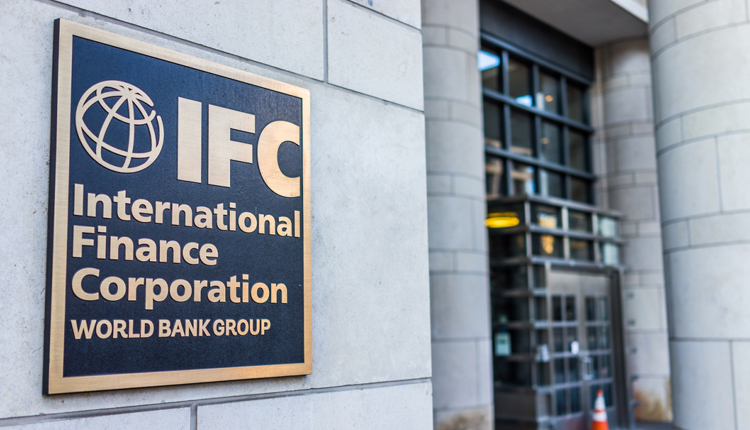
The International Finance Corporation (IFC) has announced five new projects in Egypt, mobilising over US$200 million in direct investments and advisory support.
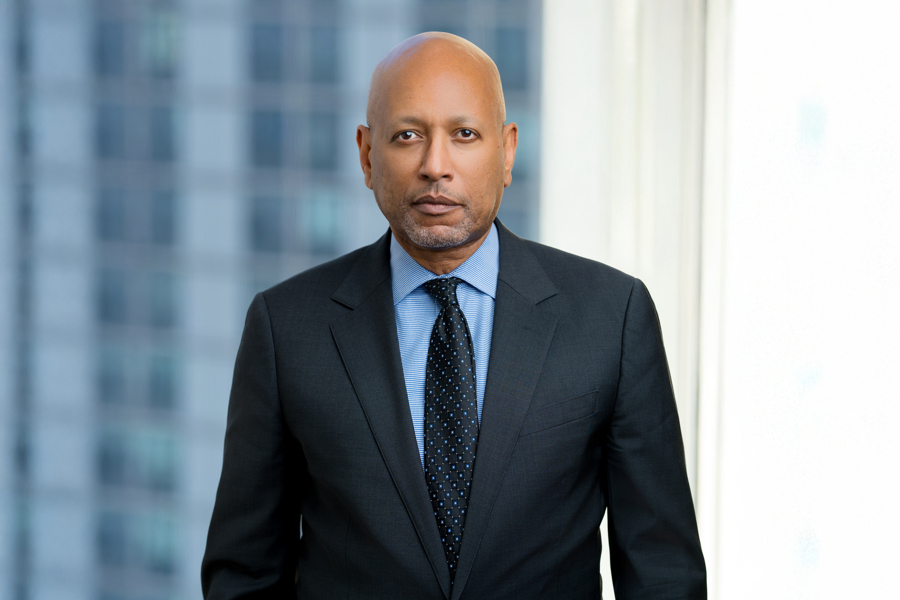
These initiatives, disclosed on February 15, 2026, during a visit by IFC Vice President for Africa Ethiopis Tafara and on the sidelines of the “Innovating for Resilience: Financing for a Sustainable Future” forum co-hosted by the World Bank Group and the Central Bank of Egypt, target small- and medium-sized enterprise (SME) development, job creation, and resilience in climate finance, healthcare, and food security.
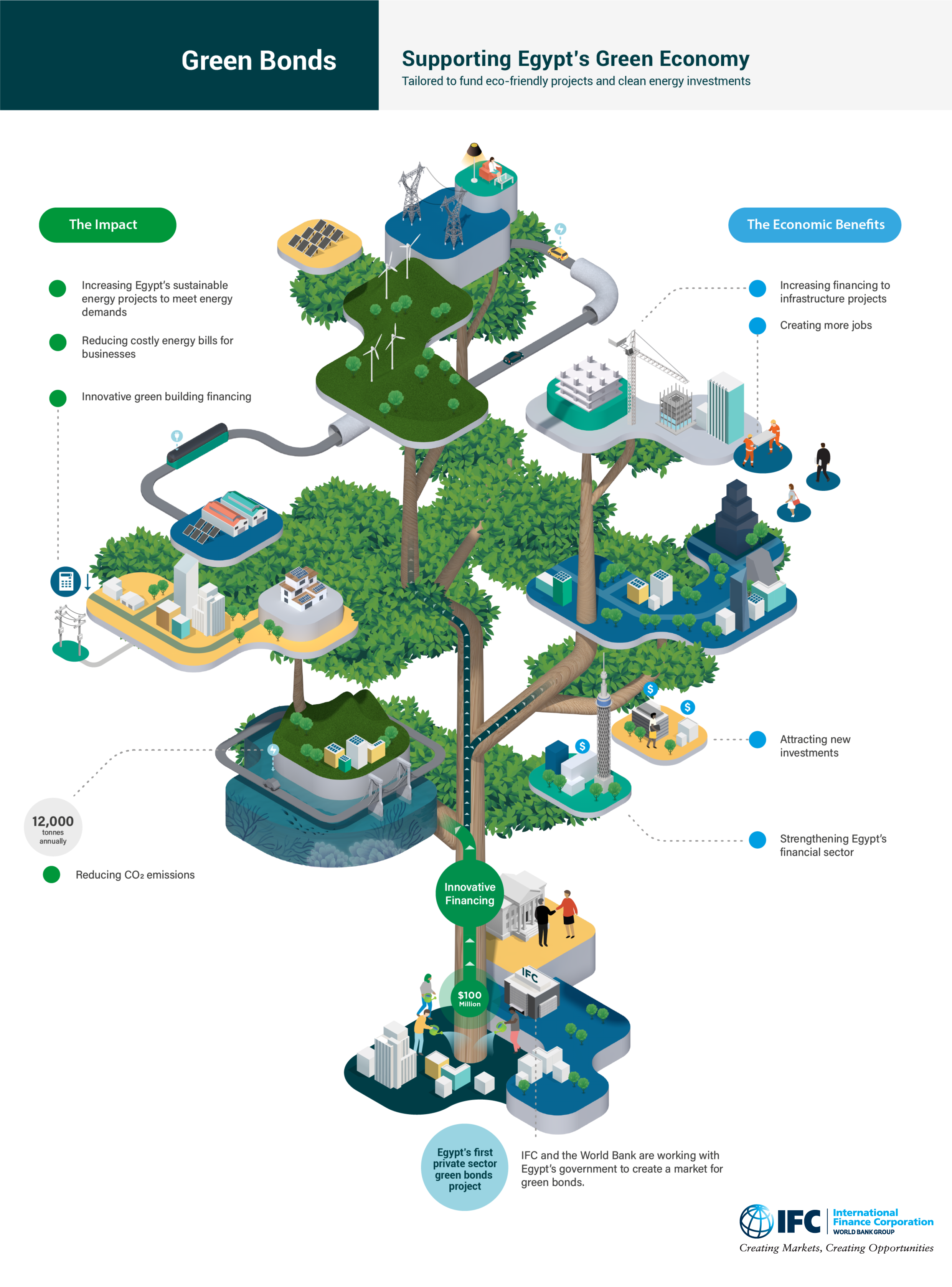
The commitments form part of IFC’s broader Egypt30by30 programme, which seeks to mobilise private financing for climate mitigation and adaptation.
Since commencing operations in Egypt, IFC has invested and mobilised nearly US$10 billion in development projects and maintains an advisory portfolio of US$27 million, supporting access to finance, climate-positive investments, industrial competitiveness, infrastructure, essential services, gender inclusion, and digital innovation.
Breakdown of the Five Projects
The announcements encompass a mix of direct investments and advisory engagements, each addressing specific development priorities:
Banque Misr Partnership (US$150 million)
A senior sustainability loan to scale green finance, accelerating investments in energy efficiency, sustainable transport, green buildings, and renewable energy.
The facility expands access to credit for micro-, small-, and medium-sized enterprises (MSMEs), with 20% of lending allocated to women-owned businesses, promoting gender inclusion alongside climate objectives.
Export Development Bank of Egypt Advisory Programme
An advisory initiative to strengthen data governance and climate reporting mechanisms under the Egypt30by30 framework.
This support enables the bank to track and increase exposure to climate-positive projects, enhancing transparency and alignment with sustainable finance standards.
GlobalCorp Group Investment (US$30 million)
A dual-currency investment to expand leasing and factoring access for MSMEs in vulnerable communities.
The facility advances capital market development through IFC’s first local-currency securitisation in Egypt and the country’s first development finance institution (DFI) investment in a leasing securitisation.
GMED Holding and EGMED Investment (US$15 million)
Equity support to increase production capacity for high-quality medical products and equipment.
The project strengthens healthcare infrastructure across Egypt and East Africa while providing specialised training for medical staff on advanced technologies.
Breadfast Partnership (US$13 million)
An investment to accelerate business expansion, create large-scale employment in logistics, manufacturing, technology, and customer service, and enhance food security through advanced distribution infrastructure. The facility expands market access for SMEs in the retail sector.
Broader Strategic Objectives
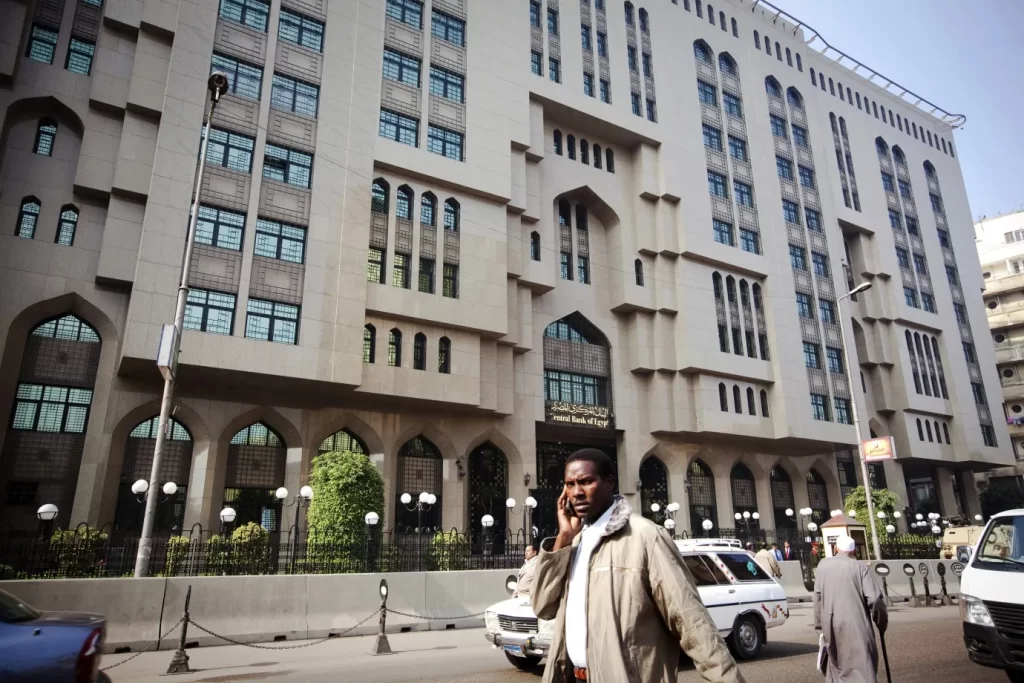
These engagements align with Egypt’s national priorities and the Central Bank of Egypt’s (CBE) sustainable finance framework.
Climate change is no longer an environmental issue but has evolved into a financial one. Within this framework, the CBE is playing a pivotal role in catalysing the banking sector’s transition towards a more sustainable future through issuing the Sustainable Finance Guiding Principles in 2021, the Sustainable Finance Binding Regulations in 2022 and the Carbon Border Adjustment Mechanism (CBAM) reporting requirements in 2025
H.E. Mr Hassan Abdalla, Governor of the Central Bank of Egypt
READ ALSO:How Breadfast Secured $50 Million to Scale Quick Commerce Across Africa
For fifty years, IFC has worked with Egypt to turn economic challenges into opportunities by supporting a dynamic and competitive private sector to deliver lasting development impact in Egypt. Through our investment and advisory engagements, we are supporting the advancement of national priorities, from clean energy and climate finance to healthcare and MSME development, for a more resilient, competitive, and inclusive Egyptian economy
Ethiopis Tafara, IFC Vice President for Africa,
The initiatives support Egypt’s transition to a low-carbon economy, enhance private-sector resilience, and promote inclusive growth through targeted financing for underserved segments.
Implications for Egypt’s Private Sector
The commitments strengthen Egypt’s private sector by:
- Expanding access to green and climate-aligned financing for MSMEs and larger enterprises.
- Building capacity in climate reporting and data governance among financial institutions.
- Deepening capital markets through innovative securitisation structures.
- Enhancing healthcare and food security infrastructure while creating employment.
- Mobilising private capital for sustainable development under the Egypt30by30 initiative, funded by the German Federal Ministry for the Environment.
These projects contribute to job creation, gender inclusion, and economic resilience in a context of climate and macroeconomic pressures.
Looking Ahead
IFC’s five new projects, mobilising over US$200 million, represent a comprehensive effort to bolster Egypt’s private sector through targeted investments and advisory support in climate finance, MSME development, healthcare, and food security.
By partnering with local institutions such as Banque Misr, Export Development Bank of Egypt, GlobalCorp, GMED Holding, and Breadfast, IFC advances national priorities while promoting inclusive, sustainable growth.
These initiatives underscore IFC’s long-standing commitment to Egypt’s development and its role in catalysing private-sector-led resilience.
For the most current details, refer to official announcements from IFC or the Central Bank of Egypt.
IFC Overview
IFC headquarters / International Finance Corporation address: The International Finance Corporation (IFC) is headquartered at 2121 Pennsylvania Avenue NW, Washington, D.C. 20433, USA.
IFC established: IFC was established in 1956 as a member of the World Bank Group to focus on private sector development in emerging markets.
IFC functions: IFC provides investment (equity and debt), advisory services, and asset management to private companies in developing countries. Its mandate is to promote economic development, job creation, and poverty reduction through private enterprise.
International Finance Corporation members: IFC has 180+ member countries, generally aligned with World Bank membership, with each member government holding shares.
IFC office: Beyond Washington, IFC operates regional and country offices worldwide, including multiple offices across Africa, Asia, Europe, and Latin America.
International Finance Corporation Annual Report: The IFC Annual Report is published yearly on the official IFC website and provides financial statements, portfolio performance, sector breakdowns, and development impact results.
Ronnie Paul is a seasoned writer and analyst with a prolific portfolio of over 1,000 published articles, specialising in fintech, cryptocurrency, climate change, and digital finance at Africa Digest News.


Leave a Reply