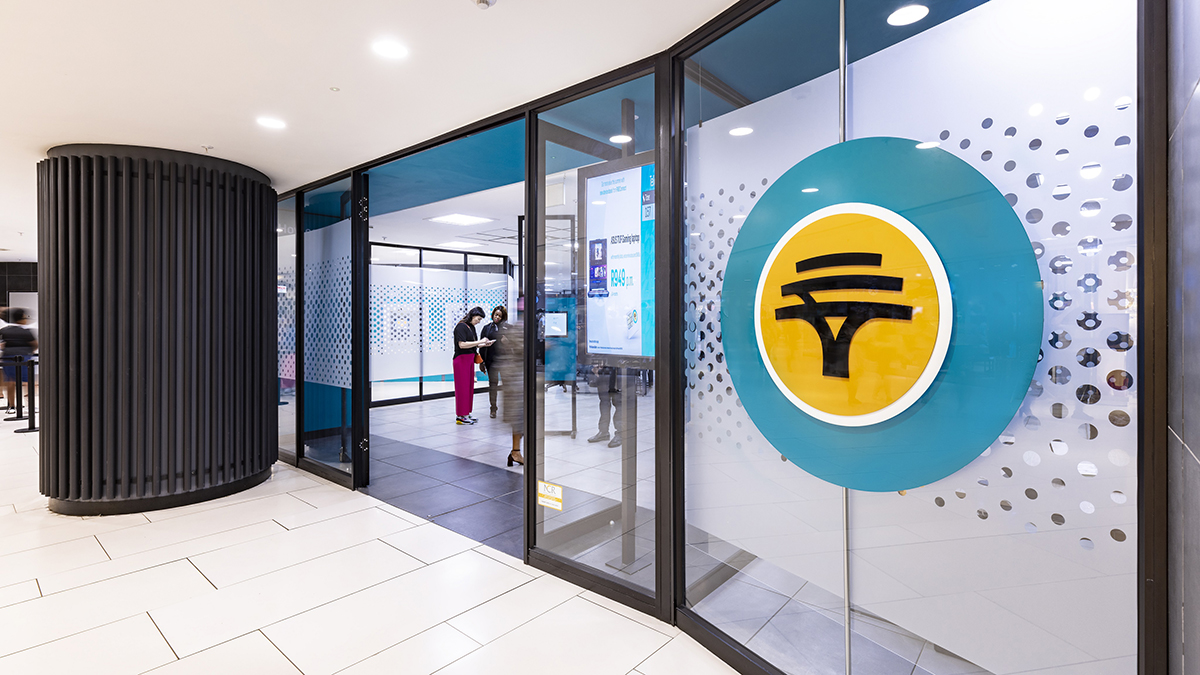
First National Bank (FNB) is preparing to launch Smart ID and passport services at its first designated branch under the Department of Home Affairs’ (DHA) expanded bank-assisted identity modernisation programme.
This marks the beginning of a phased nationwide rollout, with FNB targeting 100 branches by mid-2026 and an additional 200 branches by the end of 2026.
Since 2015, FNB has processed over 570,000 Smart ID cards and passports through a limited pilot at seven branches.
The new digital partnership model grants FNB direct, secure access to the DHA’s National Identity System via an API gateway, enabling faster processing, on-site biometric capture, and eventual app-based application capabilities.
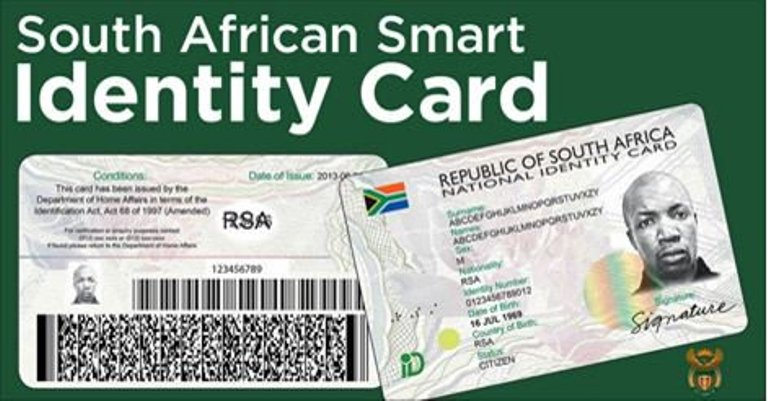
Eligibility for Smart ID and Passport Services at FNB Branches
The DHA’s bank-assisted programme maintains the same eligibility criteria as applications submitted directly at Home Affairs offices. Services are available to South African citizens who meet the standard requirements for each document type.
Smart ID Card Services
Eligible applicants include:
- South African citizens aged 16 years and older.
- Individuals applying to convert a green bar-coded ID book to a smart ID card.
- Citizens replacing a lost, stolen, or damaged Smart ID card.
- Applicants whose previous Smart ID card has expired or is due for renewal.
Passport Services
Eligible applicants include:
- South African citizens of all ages (including minors, with parental/guardian consent and presence required for those under 18).
- Individuals applying for a new passport.
- Citizens replacing a lost, stolen, or damaged passport.
- Applicants renewing an expiring passport.
Applicants must present themselves in person for biometric enrolment (fingerprints and facial recognition) and provide the required supporting documents, including proof of identity and citizenship where applicable.
Application Process at FNB Branches
The process is designed to be efficient and user-friendly:
- No prior appointment is required at participating branches.
- Clients complete the application via self-service terminals or assisted counters.
- On-site biometric capture is conducted.
- Applications are submitted digitally in real time to the DHA system.
- Completed cards or passports are collected at the same FNB branch (or designated DHA office, depending on final policy).
The entire in-branch process typically takes under ten minutes, subject to verification and system availability.
Fees and Cost Structure
Applicants pay only the standard DHA fees:
- Smart ID card — R140.
- Passport — R400 (adult) or R200 (child under 16).
No additional service fees are charged by FNB during the rollout phase.
Broader Context and Strategic Statements
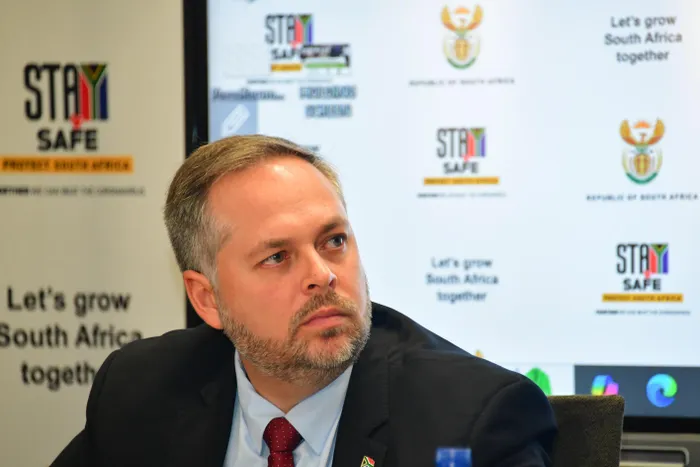
We are incredibly proud to be part of this initiative. Smart ID cards are essential for accessing vital services, securing employment, and participating fully in the economy. With the DHA’s modernised technology, we can now reach millions more South Africans through our infrastructure
Harry Kellan, CEO of FNB
Dr Leon Schreiber, Minister of Home Affairs, emphasised the modernisation benefits, noting that direct bank integration supports customer-centric service delivery.
READ ALSO:What Standard Bank’s Smart ID Expansion Means for South African Citizens
Our branch network plays a vital role in reaching communities that have historically struggled to access Home Affairs services. This expansion will allow us to bring essential identity solutions closer to our customers’ doorsteps
Zibu Nqala, CEO of FNB Points of Presence,
The DHA’s overall target remains 100 participating bank branches by March 2026 and 1,000 by the end of 2028, with FNB’s rollout forming a significant contribution alongside Standard Bank, Capitec, and other institutions.
Future Outlook
FNB’s forthcoming launch of Smart ID and passport services will make these essential documents accessible to any eligible South African citizen at participating branches, without requiring an FNB account.
The initiative aligns with the DHA’s objective of decentralising identity services, reducing queues at government offices, and improving convenience through trusted financial institutions.
As the rollout progresses toward 100 branches by mid-2026, it is expected to materially enhance access to identity documents across urban, peri-urban, and rural areas.
For the most current branch list, eligibility details, required documents, and application procedures, refer to official communications from FNB or the Department of Home Affairs.
First National Bank (FNB) Overview
First National Bank (FNB) provides FNB Connect, a mobile network service that offers data, voice, and device deals integrated with banking rewards.
Customers can manage accounts through FNB Online Banking, which allows transfers, payments, and financial management via web or mobile platforms. For assistance, users can contact the FNB contact number through official customer support channels.
FNB Banking includes retail, business, and digital financial services offered by the bank.
FNB South Africa is the bank’s main market, while FNB Zambia and FNB Namibia represent its regional operations, providing similar banking services across Southern Africa.
Ronnie Paul is a seasoned writer and analyst with a prolific portfolio of over 1,000 published articles, specialising in fintech, cryptocurrency, climate change, and digital finance at Africa Digest News.


Leave a Reply