The Middle East and North Africa (MENA) fintech sector experienced exceptional momentum in 2025, with total funding reaching US$1.14 billion, an increase of approximately 80% year-on-year, according to EY’s MENA Fintech Report 2025.
The UAE (particularly Dubai and Abu Dhabi) and Egypt emerged as the dominant hubs, together accounting for more than 65% of disclosed deal value.
This growth was driven by:
- Strong regulatory tailwinds (open banking frameworks in the UAE, Egypt’s FinTech Sandbox expansion, Saudi Arabia’s SAMA sandbox maturity).
- Surging demand for digital payments, buy-now-pay-later (BNPL), embedded finance, and cross-border remittances.
- Record M&A activity, with several high-profile exits and strategic acquisitions exceeding US$500 million in aggregate value.
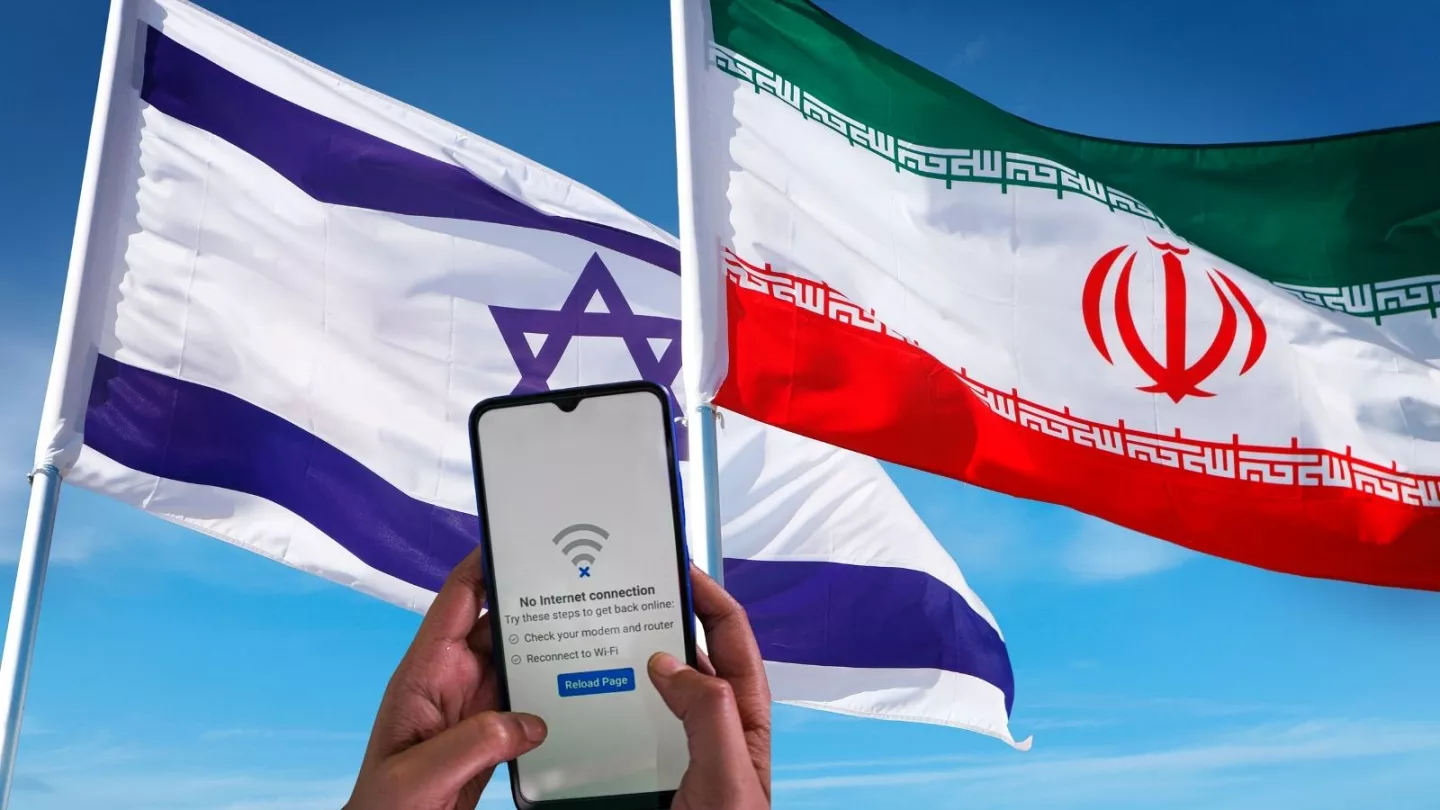
The ecosystem appeared on track for continued acceleration into 2026 until the escalation of regional conflict in early 2026 introduced material uncertainty.
Challenges: Delayed Capital Flows and Investor Caution
The conflict has produced several immediate headwinds for fintech deal-making:
- Travel and In-Person Due Diligence Constraints: Travel bans, airspace restrictions, and heightened security protocols have significantly reduced the ability of international venture capital and private equity teams to conduct on-site visits, management meetings, and operational assessments. Virtual diligence has limitations when evaluating governance, team dynamics, and physical infrastructure.
- Risk Re-pricing and Deployment Pauses: Many global and regional investors have placed MENA fintech allocations under formal review. Several funds have temporarily paused new commitments or reduced deployment pace, citing elevated geopolitical risk premiums and potential sanctions ripple effects.
- Valuation Pressure: Downward pressure on exit multiples has emerged in secondary discussions. Late-stage growth rounds that were expected to close at 2025 valuations (often 8–12× forward revenue) are now facing 20–35% discounts in term-sheet negotiations.
- Liquidity Squeeze on Founders: Founders who anticipated 2026 exits or follow-on rounds are experiencing delayed liquidity events, increasing pressure on cash burn and runway management.
These factors have slowed transaction velocity, particularly in cross-border deals involving European, US, or Asian capital.
Resilience Factors: Continued 35% Annual Revenue Growth Forecast Through 2028
Despite the near-term disruption, the underlying fundamentals of the MENA fintech market remain robust. EY and other analysts continue to project compound annual revenue growth of approximately 35% through 2028, driven by:
- Persistent digital adoption: Smartphone penetration exceeds 80% in most GCC markets and is rising rapidly in Egypt and North Africa.
- Unmet financial inclusion needs: More than 150 million adults in MENA remain unbanked or underbanked, creating structural demand for digital payments, lending, and insurance.
- Regulatory continuity: Core fintech-friendly policies in the UAE, Saudi Arabia, Egypt, and Bahrain have not materially changed, and several regulators have signalled continued support for digital innovation during the crisis.
- Domestic capital availability: Sovereign wealth funds, family offices, and regional VC funds (particularly in the UAE and Saudi Arabia) retain significant dry powder and have shown willingness to back local champions during periods of external uncertainty.
These structural drivers suggest that while deal cadence may moderate in 2026, the long-term trajectory of revenue growth and market expansion remains intact.
Forward View: Selective Betting and Consolidation Opportunities
The current environment is likely to produce a split outcome:
Selective Betting on Resilient Models
Investors are expected to concentrate capital in infrastructure-scale platforms (payment rails, embedded finance, regtech, and open-banking enablers) and companies with strong unit economics, proven cash-flow generation, and diversified revenue streams.
Consumer-facing BNPL and digital-lending models face greater scrutiny unless they demonstrate low delinquency rates and robust funding access.
Consolidation Opportunities
Distressed or capital-constrained fintechs may become acquisition targets for stronger incumbents or regional champions.
The combination of delayed exits and compressed valuations creates conditions conducive to strategic M&A, particularly in payments, neobanking, and SME fintech segments.
Regional Capital Filling the Gap: GCC-based sovereign wealth funds, family offices, and government-backed vehicles are positioned to increase activity where international capital hesitates, further consolidating regional leadership.
Future Outlook
The 2026 conflict has introduced material short-term friction to MENA fintech deal-making through travel constraints, investor caution, and valuation pressure.
However, the region’s underlying demand drivers including digital adoption, financial inclusion gaps, and regulatory continuity continue to support robust revenue growth forecasts through 2028.
Rather than derailing the sector, the current environment is likely to accelerate a shift toward more selective, infrastructure-focused investing and strategic consolidation.
Stronger players with proven resilience and access to regional capital are positioned to emerge even more dominant once stability returns.
The 2025 funding record of US$1.14 billion may prove to be the high-water mark for the cycle, but the long-term structural opportunity in MENA fintech remains firmly intact.
Ronnie Paul is a seasoned writer and analyst with a prolific portfolio of over 1,000 published articles, specialising in fintech, cryptocurrency, climate change, and digital finance at Africa Digest News.


Leave a Reply