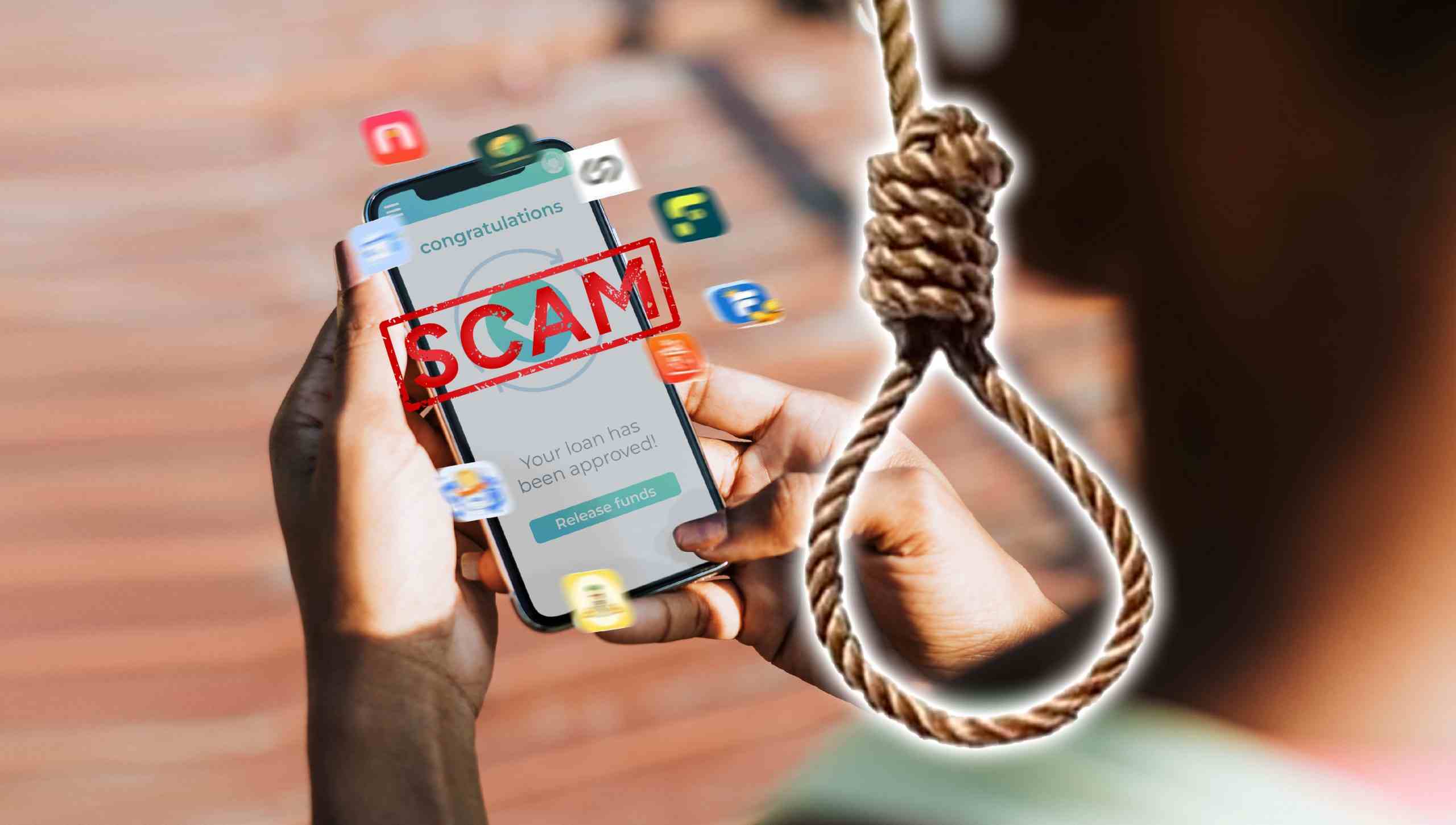
Kenya’s digital lending sector has expanded significantly, with the Central Bank of Kenya (CBK) licensing 227 digital credit providers as of April 2026.
While these apps offer convenient access to funds, many borrowers face high effective interest rates, hidden fees, debt cycles, aggressive recovery tactics, and data privacy risks.
Understanding and applying protective strategies can help you borrow responsibly and avoid common pitfalls.
1. Verify Lender Legitimacy Before Borrowing
- Always confirm the app is licensed by the CBK. Access the official directory of licensed Digital Credit Providers on the CBK website (centralbank.go.ke).
- Avoid unlicensed lenders, as they often charge exorbitant rates and lack consumer protections.
- Beware of clone or fake apps that mimic legitimate ones (e.g., slight name variations). Download only from official app stores and check reviews and developer details.
2. Understand the True Cost of Borrowing
- Calculate the effective Annual Percentage Rate (APR), not just the advertised daily or flat rate. Many apps appear affordable but result in APRs exceeding 100–200%.
- Read all terms, including processing fees, late penalties, and roll-over charges. Use a loan calculator or simple arithmetic to determine the total repayment amount.
- Prefer flat-fee structures (e.g., M-Shwari) for short-term needs over daily compounding interest.
3. Borrow Only What You Can Repay
- Conduct a personal affordability assessment: Review your income, existing debts, and expenses. Ensure the loan fits within 30–35% of your monthly income for debt servicing.
- Build an emergency savings fund to reduce reliance on credit for unexpected costs.
- Follow the 24-hour rule for non-essential borrowing and wait before applying.
READ ALSO:Best Crypto Exchanges for Kenyans
4. Protect Your Personal Data and Privacy
- Review app permissions carefully. Legitimate lenders require necessary data, but excessive access to contacts, messages, photos, or location should raise concerns.
- Do not grant unnecessary permissions. Revoke access after use where possible.
- Use strong, unique PINs/biometrics and enable two-factor authentication. Avoid public Wi-Fi for financial transactions.
5. Avoid Common Scams and Red Flags
- Never pay upfront fees for loan processing, insurance, or registration; legitimate lenders deduct fees from the disbursed amount.
- Ignore unsolicited loan offers via SMS, WhatsApp, or calls promising instant approval without assessment.
- Be wary of threats or harassment. Report aggressive tactics (e.g., contacting family or public shaming) to the CBK and the Office of the Data Protection Commissioner (ODPC).
6. Manage Debt Proactively
- Limit yourself to one active loan at a time to prevent stacking.
- Repay on time to build a positive credit history and unlock better terms and higher limits.
- If struggling, contact the lender early to negotiate a repayment plan. Consider debt counselling services.
- Track all loans using a simple spreadsheet or budgeting app to maintain visibility.
7. Explore Safer Alternatives
- Build savings through M-Shwari, bank accounts, or SACCOs before resorting to loans.
- For larger needs, consider formal bank loans, employer schemes, or community-based options with lower rates.
- Prioritise living within your means and planning expenses in advance.
Practical Steps for Immediate Protection
- Uninstall tempting loan apps temporarily if you find yourself borrowing impulsively.
- Enable transaction alerts on M-Pesa and linked accounts.
- Report suspected violations to the CBK Consumer Protection Unit (0709 081000) or via their website; report data issues to ODPC.
- Regularly check your CRB status to understand your credit standing.
Loan apps provide valuable access to credit but require discipline to avoid traps.
By verifying licensing, fully understanding costs, borrowing only for genuine needs, and protecting your data, you can use digital lending responsibly without falling into debt cycles.
Financial education and prudent habits remain the most effective safeguards. For personalised guidance, consult a licensed financial advisor or credit counsellor.
This guide is based on CBK regulations, consumer protection frameworks, and reputable sources as of mid-2026. Regulations and terms evolve; always verify the latest information directly with the CBK and licensed providers before borrowing.


Leave a Reply