
The Central Bank of Nigeria (CBN) has decided to retain the benchmark interest rate at 27.5%, despite the significant drop in headline inflation observed in January 2025 following the latest rebasing methodology.
The decision was announced by CBN Governor, Olayemi Cardoso, at the conclusion of the Monetary Policy Committee (MPC) meeting held on February 19-20 in Abuja.
The two-day session, which marked the 299th meeting of the MPC, saw all 12 committee members in attendance.
Their unanimous decision was to keep key monetary parameters unchanged, including the asymmetric corridor at +500/-100 basis points, the cash reserve ratio (CRR) at 50% for deposit money banks and 16% for merchant banks, and the liquidity ratio at 30%.
Macroeconomic Factors Influencing the Decision
Governor Cardoso highlighted recent macroeconomic developments that influenced the committee’s decision. Stability in the foreign exchange market and the subsequent appreciation of the naira were noted as positive indicators, alongside the gradual decline in the price of premium motor spirit (PMS).
These factors, in the committee’s view, are expected to contribute positively to price dynamics in the short-to-medium term.
However, despite these gains, the committee remains cautious about persistent inflationary pressures, particularly those driven by food prices.
Cardoso pointed out that while inflation figures have moderated, external risks and supply-side constraints continue to present challenges to achieving long-term price stability.
The recent rebasing of the Consumer Price Index (CPI) by the National Bureau of Statistics (NBS) was also a key factor in the CBN’s decision-making process.
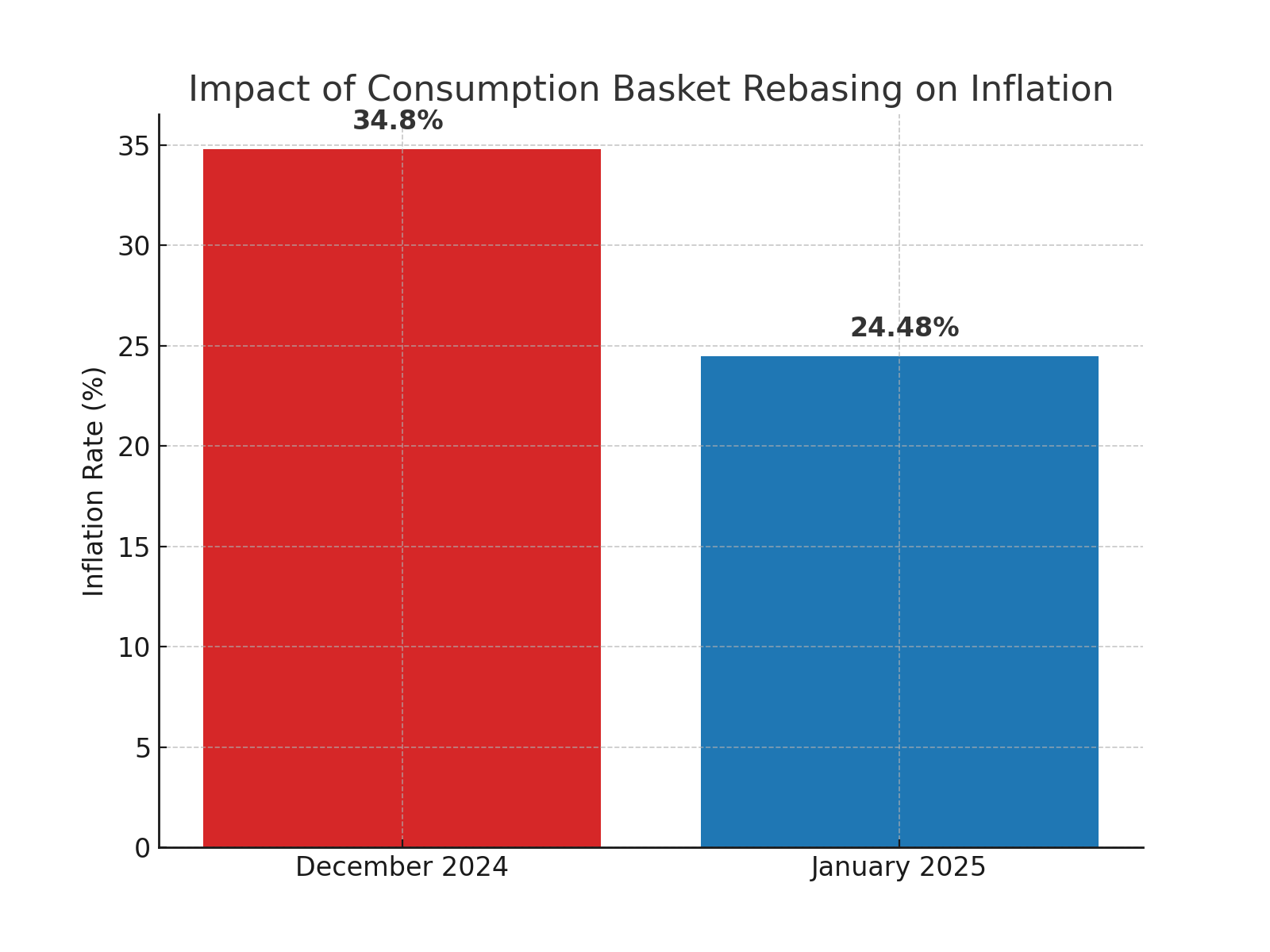
The rebasing adjusted the weights of items in the consumption basket to better reflect current spending patterns, resulting in a sharp decline in headline inflation from 34.8% in December 2024 to 24.48% in January 2025.
READ ALSO:
Increased Lending to Private Sector as CBK Cuts Interest Rates to 10.75% to Boost Economic Growth
Why the CBN Chose to Hold Rates
The CBN’s decision to maintain interest rates reflects its cautious approach to monetary policy, ensuring that inflation remains on a sustained downward trajectory before making any adjustments.
Governor Cardoso reaffirmed that while the exchange rate has begun to stabilise due to recent policy interventions, inflationary risks, particularly those linked to food prices, remain a concern.
The committee noted that improved security measures in agricultural regions and policy initiatives aimed at enhancing food supply should help moderate inflation further.
Additionally, reforms in the foreign exchange market, such as the introduction of the B-Match system and the Nigeria Foreign Exchange Code, are expected to strengthen market transparency and investor confidence.
Despite calls from business leaders and manufacturers for a rate cut to ease borrowing costs, the CBN remains steadfast in its strategy.
The high cost of credit, currently at around 39%, has been a major challenge for businesses, limiting expansion and investment opportunities.
However, the MPC insists that price stability must be prioritised before considering any easing of monetary policy.
Comparing Monetary Policy Trends Across Africa
Nigeria is not alone in maintaining a cautious monetary stance. Across Sub-Saharan Africa, several central banks are taking a measured approach to interest rate adjustments:
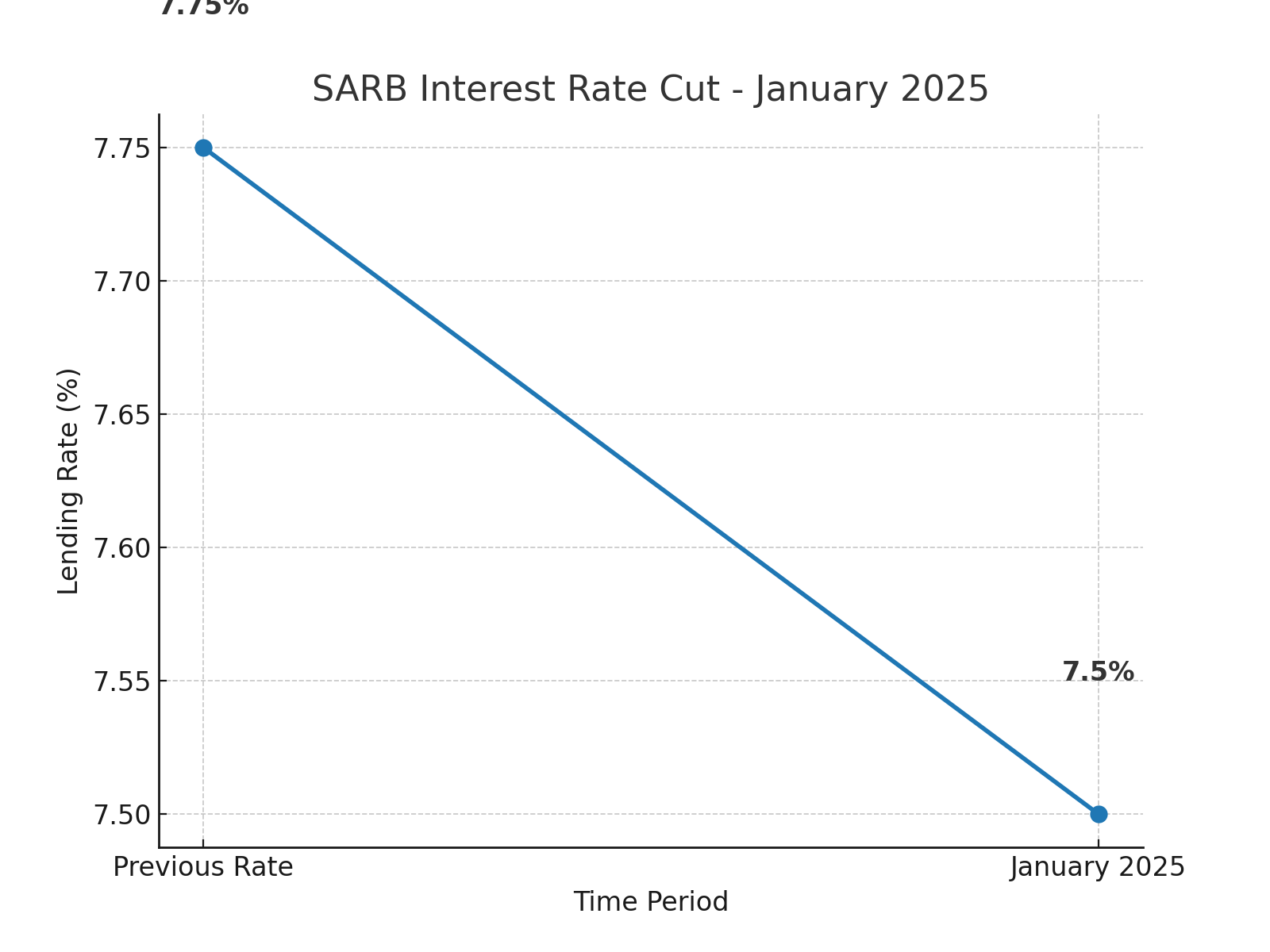
- South Africa: The South African Reserve Bank (SARB) cut its lending rate by 25 basis points to 7.5% in January 2025, marking its third consecutive rate cut. While the move was aimed at stimulating economic growth, the SARB remains cautious about lingering inflation risks.
- Ghana: The Bank of Ghana (BoG) kept its policy rate steady at 27.0%, citing stable global growth prospects but noting persistent inflationary pressures within the services sector.
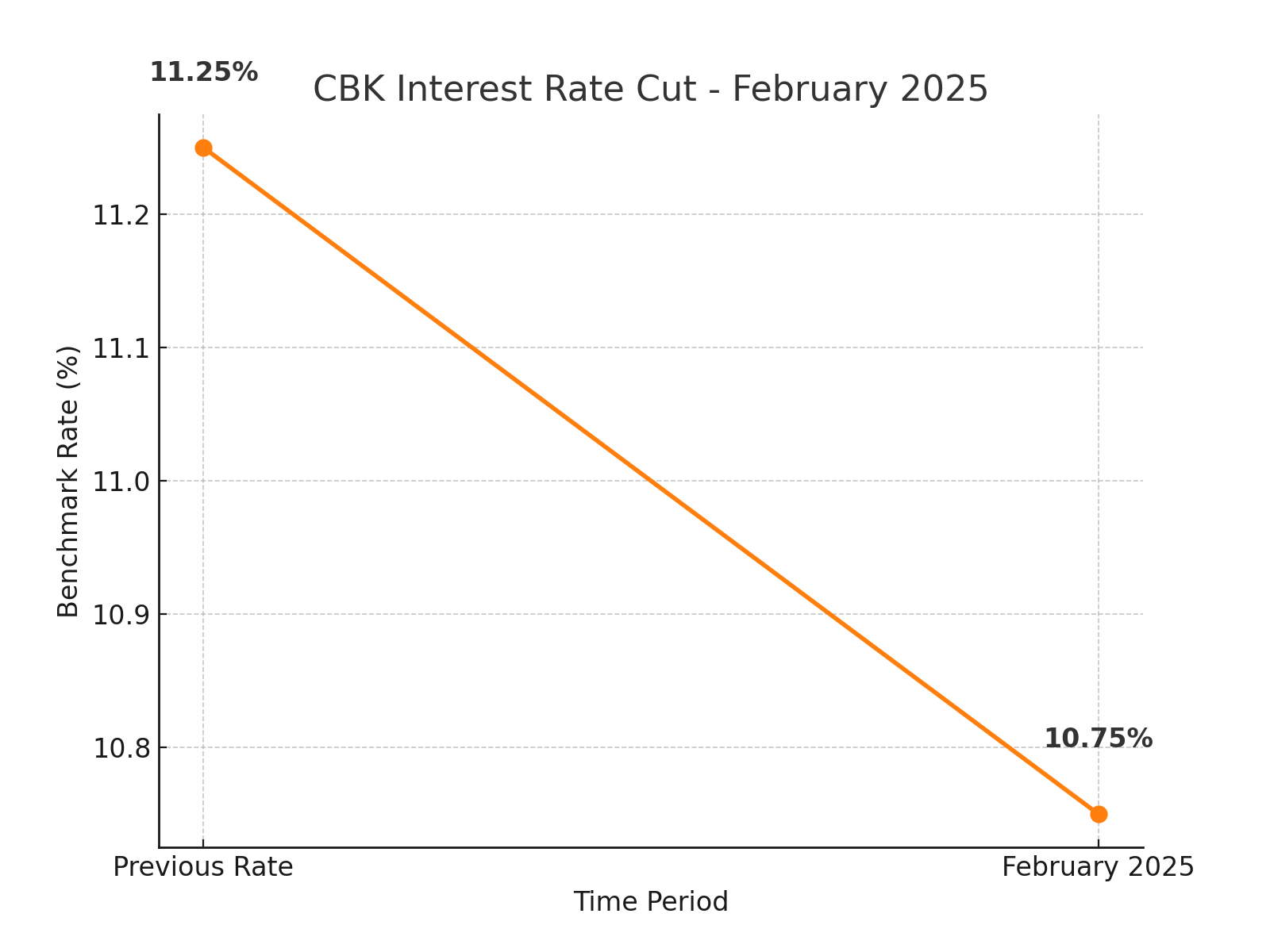
- Kenya: The Central Bank of Kenya (CBK) reduced its benchmark rate by 50 basis points to 10.75% in February 2025, aiming to boost lending and economic activity amid slowing GDP growth.
Implications for Nigeria’s Economy
By maintaining the interest rate at 27.5%, the CBN signals its commitment to price stability and economic recovery. The central bank believes that existing policy measures need more time to take full effect before considering any rate adjustments.
The MPC emphasised the importance of collaboration between fiscal and monetary authorities to drive economic growth while addressing inflationary risks.
Analysts suggest that the likelihood of a rate cut in the near term depends on sustained inflation moderation and improved exchange rate stability.
READ ALSO:
How Naira Devaluation is Impacting Airtel Nigeria’s Financial Performance
When Could Rates Start to Come Down?
The MPC has emphasized that it will remain data-driven in its approach, carefully assessing economic conditions before making any changes to interest rates.
While inflation trends appear to be improving, external factors such as food supply disruptions and foreign exchange market fluctuations continue to pose risks.
For now, interest rates remain high, with stability taking precedence over immediate monetary easing. However, if inflation continues to decline and the exchange rate strengthens further, the CBN could consider a more accommodative position in the second half of 2025.
The upcoming MPC meetings will be closely watched as policymakers evaluate economic indicators and determine the best course of action to balance growth and inflation control in Nigeria’s evolving economic landscape.


Leave a Reply