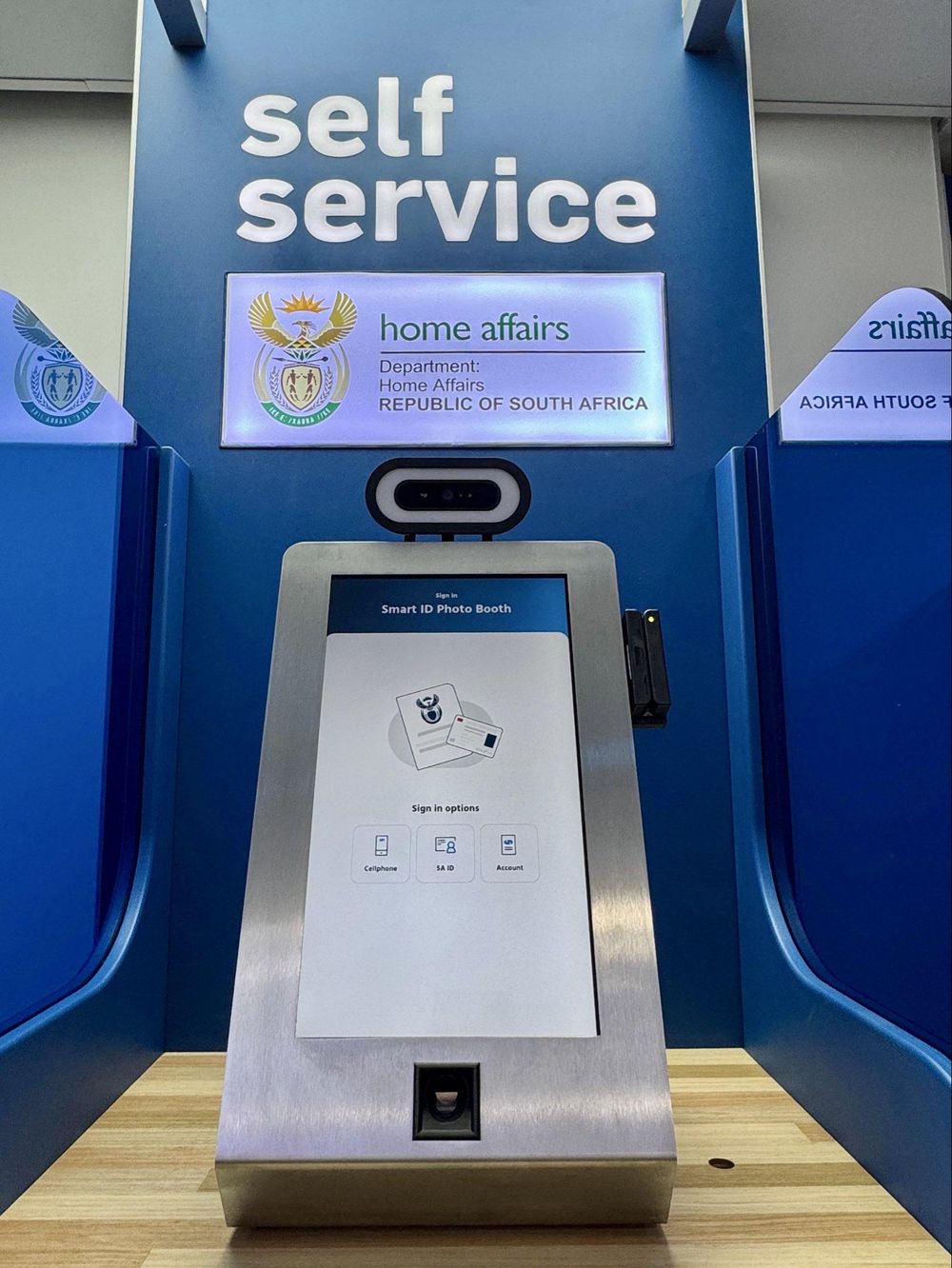
Standard Bank has expanded its Smart ID services to more than 100 branches across South Africa, with several of the newly activated sites located in rural and historically underserved communities.
The bank has already processed close to 50,000 Smart ID applications through its participating branches, and it plans to nearly double its network before the end of 2026, part of a fast growing partnership with the Department of Home Affairs to bring identity services closer to where people actually live.
A Partnership Built for Access
The Standard Bank Smart ID branches now form part of a wider national rollout that has surpassed 300 branches across South Africa’s major banks, including Capitec and FNB.
Standard Bank alone has committed to reaching 112 branches by the end of 2026, up from an initial rollout of 50. In this phase, the bank has limited the service to its own clients to ensure stability while it scales, though it has signaled plans to broaden access further as the model proves itself.
Speaking at the launch, Funeka Montjane, Chief Executive Officer of Standard Bank Personal and Private Banking, said access to secure identity services is fundamental to economic participation, and that working with the Department of Home Affairs allows the bank to bring these services closer to where people live and work using infrastructure communities already trust.
That framing captures the core idea behind this Home Affairs bank partnership South Africa model, using existing bank branch networks instead of building new government infrastructure from scratch.
Why Rural Access Matters
For years, applying for a Smart ID meant traveling to a Home Affairs office, often in a distant town, and waiting in long queues that could stretch across an entire day.
That barrier fell hardest on residents of rural and underserved areas who already faced longer travel times and fewer nearby government facilities.
Standard Bank has specifically prioritized activating branches in these areas, including recent additions in Limpopo towns such as Mokopane and Musina, giving residents a nearby, familiar location to complete a Smart ID application rural areas previously had to travel far to access.
READ ALSO:How Adenia Partners Secured Control of Minet Holdings With Standard Bank’s Support
The convenience extends beyond location. Applications processed through participating branches are largely paperless and can take as little as five minutes, with customers able to apply, pay the standard Home Affairs application fee and, in many cases, collect their card at the same branch. During Standard Bank’s rollout phase, clients face no additional convenience or logistics fees beyond the standard Home Affairs charge.
Part of a Bigger Digitisation Push
This rollout sits inside a broader Department of Home Affairs digitisation strategy aimed at modernizing how South Africans access identity documents.
Home Affairs Minister Leon Schreiber has said the department now aims to activate Smart ID replacement services at 750 bank branches by the end of 2026, well ahead of an earlier target of 1,000 branches by 2029, with a specific focus on rural and underserved communities.
Home Affairs issued a record four million Smart ID cards in 2025, and officials have said the eventual goal is to phase out the older green barcoded ID book entirely once enough South Africans have reliable access to the newer, more secure card.
Deputy Director General Thulani Mavuso has indicated that Home Affairs could stop producing the green ID book as early as this year, though the department has said it will first ensure nationwide access to Smart ID services before making that transition final.
What Comes Next
Standard Bank has said it expects to process more than three times its current application volume by the end of 2026 as its branch network grows, and it is exploring additional Home Affairs services, including passport applications and doorstep document delivery, through the same bank assisted model.
If the expansion continues at its current pace, the partnership could mark a lasting shift in how South Africans, particularly those in rural communities, access one of government’s most essential services, replacing long queues at distant offices with a short visit to a bank branch many residents already use every week.


Leave a Reply