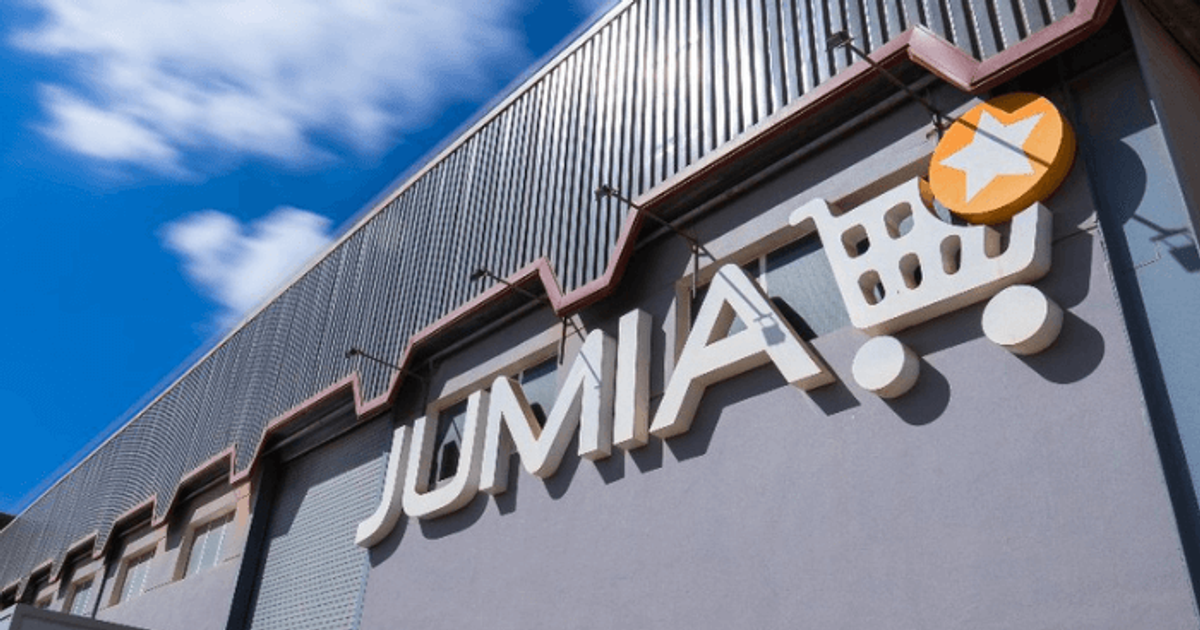
Jumia Technologies reported second quarter 2026 results on August 12 that showed revenue climbing 14 percent year on year to 52 million dollars, alongside a 50 million dollar capital raise anchored by the International Finance Corporation.
The combination of improving operating metrics and fresh capital gives Africa’s largest publicly listed e-commerce company a stronger footing as it pushes toward its long stated goal of full year profitability in 2027.
Inside the Q2 2026 Numbers
The Jumia Q2 2026 results extended a run of steady operational improvement.
Gross merchandise value rose 20 percent to 216.3 million dollars, gross profit climbed 28 percent to 30.7 million dollars, and gross margin on GMV improved to 14.2 percent, a sign that the company is monetizing its marketplace more effectively rather than simply growing volume.
Orders increased 28 percent and quarterly active customers grew 24 percent.
Marketplace revenue rose 34 percent, and advertising revenue jumped 88 percent, showing that Jumia’s push into higher margin revenue streams is gaining traction.
Perhaps most notable for a company that has spent years working to convince investors it can control costs, the adjusted EBITDA loss narrowed 36 percent to 8.7 million dollars.
Loss before income tax improved 33 percent to 10.9 million dollars. Jumia ended the quarter with 48.3 million dollars in liquidity, down from 62.6 million dollars at the end of the first quarter, after using nearly 12 million dollars in operating cash during the period.
The $50 Million IFC Raise
To reinforce its balance sheet, Jumia priced a Jumia $50 million IFC raise through the sale of 9.1 million American Depositary Shares at 5.52 dollars each.
The International Finance Corporation, part of the World Bank Group, anchored the round with a 25 million dollar investment, joined by existing major shareholders including Axian and new investors.
Jumia CEO Francis Dufay said the company did not need the capital to reach breakeven, but viewed the IFC’s participation as a strategic opportunity that strengthens the balance sheet in a volatile operating environment.
The proceeds are earmarked for growth in Jumia’s core African markets, operational efficiency and its marketplace and logistics infrastructure.
Uneven Performance Across Markets
The Jumia Nigeria Ghana Egypt performance drove much of the quarter’s strength. Nigeria’s physical goods GMV rose 36 percent, Egypt grew 50 percent excluding deprioritized corporate sales, and Ghana surged 77 percent.
Kenya also posted solid growth of 23 percent. Not every market moved in the same direction.
Ivory Coast saw physical goods GMV decline 1 percent, which management attributed to a nearly 60 percent drop in cocoa farm gate prices that reduced purchasing power among upcountry farmers and cooperatives, along with electronics supply disruptions and tax changes affecting vendors.
READ ALSO:How Jumia Pulled Off Its Strongest Quarter Yet in 2025
Across the platform as a whole, 61 percent of order volume came from upcountry regions, up from 59 percent the prior quarter, underscoring how much of Jumia’s growth is now coming from outside major urban centers.
The results also reflect a company that has deliberately narrowed its footprint.
Jumia has exited South Africa, Tunisia and Algeria over the past several years, choosing to concentrate resources on eight core African markets rather than sustain the aggressive pan African expansion that once consumed large amounts of cash.
That restructuring appears to be paying off in the form of steadier unit economics.
What This Means for African E-Commerce Profitability
Jumia’s trajectory is being closely watched as a bellwether for African e-commerce profitability more broadly, since the company remains one of the few pan African online marketplaces with public financial disclosures at this scale.
Management reaffirmed its guidance for a full year 2026 adjusted EBITDA loss of between 25 million and 30 million dollars, alongside its target of reaching adjusted EBITDA breakeven and positive cash flow in the fourth quarter of 2026.
Full year adjusted EBITDA profitability and sustained positive cash flow remain the target for 2027.
Supply chain pressures have not disappeared. Jumia cited smartphone and electronics shortages tied to memory chip constraints, along with fuel surcharges, as headwinds that pushed the company to trim its 2026 GMV growth outlook to a range of 20 to 30 percent.
Even with those pressures, the direction of travel across revenue, margins and losses has been consistent for several quarters running.
Looking Ahead
If Jumia hits its fourth quarter breakeven target and follows through on full year profitability in 2027, the 50 million dollar raise announced alongside these results could mark a turning point for one of Africa’s most closely watched technology companies.
For now, the company’s improving fundamentals, backed by a credible institutional investor in the IFC, give it more room to execute on that plan without the balance sheet pressure that has weighed on it in past quarters.





Leave a Reply