A growing number of everyday apps now offer financial services directly. Ride sharing apps offer debit cards to their drivers.
Retail apps offer instant credit at checkout. Software platforms offer business loans to their users. This trend has a name. It is called embedded finance, and it is reshaping how we interact with money.
At its core, embedded finance means integrating financial services into non financial platforms. Instead of visiting a bank, users access financial tools inside apps they already use.
A payment feature, a savings account, or a lending option simply appears within familiar software.
This removes the friction of switching between separate financial and non financial services. The financial service becomes part of the underlying product experience itself.
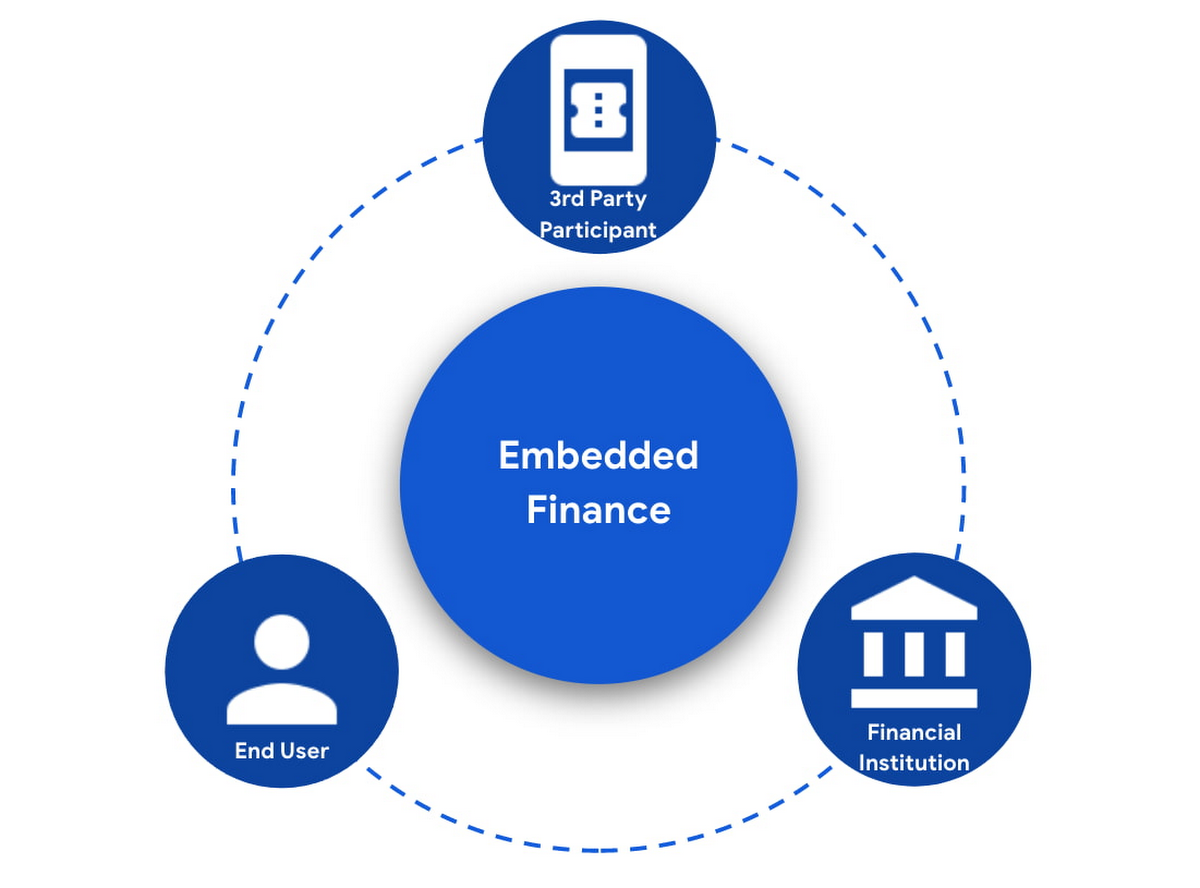
This shift is made possible by a technical structure working quietly behind the scenes. Licensed financial institutions provide the regulatory backbone and underlying infrastructure.
Technology companies then use application programming interfaces to access these financial services. This allows a non bank company to offer banking features without becoming a bank itself.
The user often never realizes multiple companies are involved in the process. From their perspective, everything simply feels like one seamless experience.
Several types of financial services commonly appear within embedded finance offerings today. Embedded payments allow apps to process transactions directly within their own interface.
Embedded lending allows platforms to offer credit based on user activity data. Embedded insurance allows purchases to include relevant coverage automatically at checkout.
READ ALSO:Key Differences Between Private and Public Limited Companies (Ltd and PLC)
Embedded banking allows apps to offer accounts, cards, or savings tools directly. Each type addresses a specific financial need within a broader user journey.
The rise of embedded finance is driven by clear benefits for businesses. Companies can increase customer engagement by keeping users within their own platform.
They can also generate new revenue streams through financial service fees. Access to transaction data allows companies to offer smarter, more personalized services.
This creates a strong incentive for platforms across many industries to participate. As a result, embedded finance is expanding well beyond traditional financial technology companies.
For consumers, embedded finance often means more convenience and faster access to services. Applying for credit within a familiar app can feel simpler than visiting a bank.
Financial decisions can happen at the exact moment they are needed. A small business owner might access a loan directly within their accounting software.
A shopper might access installment payments directly during online checkout. This convenience is a major reason embedded finance continues growing quickly.
Despite these benefits, embedded finance also raises important questions worth considering carefully. Regulatory oversight can become more complex when multiple companies share responsibility.
Consumers may not always understand who is actually providing a financial service. Data privacy concerns also grow as more companies gain access to financial information.
Ensuring responsible lending and fair practices requires careful oversight across all involved parties.
These challenges are prompting closer regulatory attention as the sector expands.
Embedded finance reflects a broader shift in how financial services are delivered. Instead of standalone institutions, finance is becoming a feature within everyday platforms.
This does not mean traditional banks are disappearing entirely from the picture. Instead, their infrastructure increasingly powers services offered through other companies’ apps.
As this trend continues, financial services may feel less like a destination. Increasingly, they simply become another built in part of daily digital life.


Leave a Reply