For decades, banks kept tight control over customer financial data. That data stayed locked within each individual bank’s own systems.
Customers had little ability to share their financial information elsewhere easily. Open banking is changing this long standing model in a significant way.
It allows financial data to move more freely, with customer permission. Understanding this shift helps explain a major change in modern finance.
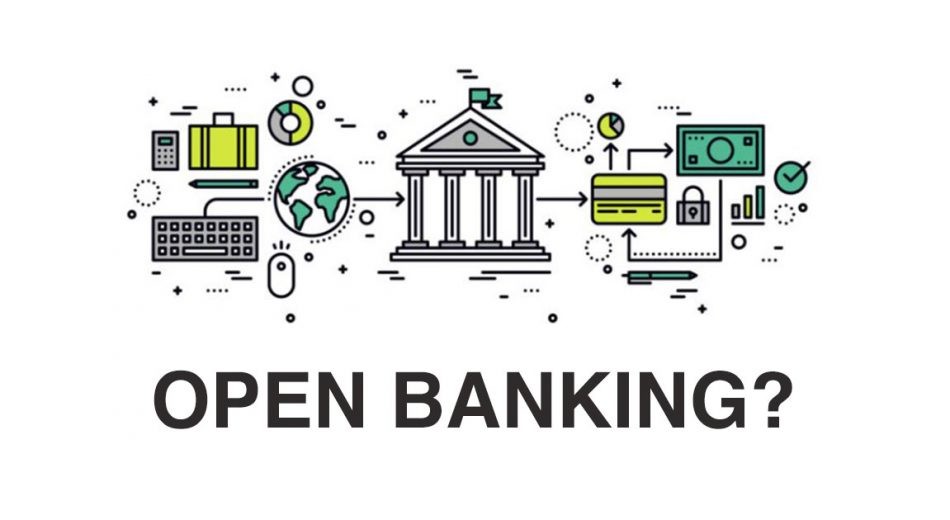
At its core, open banking allows customers to securely share their financial data. This sharing happens between their bank and other authorized third party providers.
Instead of data staying locked within one institution, it becomes portable. This is made possible through secure technology called application programming interfaces.
These interfaces allow different financial systems to communicate safely and efficiently. Importantly, this data sharing only happens with explicit customer consent.
This shift did not happen automatically within the banking industry itself. In many regions, open banking was introduced through specific government regulation.
Policymakers wanted to increase competition and innovation within financial services. By requiring banks to share data securely, smaller companies gained new opportunities.
This helped reduce the traditional advantage large, established banks once held. Regulation played a central role in making this broader shift possible.
For consumers, open banking offers several practical and meaningful benefits. It allows financial apps to view multiple accounts in one unified place.
Instead of checking several banking apps separately, users see everything together. This can make budgeting, saving, and financial planning noticeably easier overall.
Open banking also supports faster loan approvals through more accurate financial verification. Lenders can assess real financial behavior instead of relying on limited traditional data.
READ ALSO:What Is Embedded Finance and Why Is Every App Becoming a Bank?
Businesses also benefit significantly from the rise of open banking systems. Fintech companies can build innovative products without creating their own banking infrastructure.
Instead, they connect directly to existing bank systems through secure data sharing. This lowers barriers to entry and encourages more financial innovation overall.
Small businesses can also benefit from faster, more accurate credit assessments. This can improve access to funding for businesses previously overlooked by banks.
Payment innovation is another major area where open banking has real impact. Traditional card payments often involve multiple intermediaries and associated fees.
Open banking enables direct account to account payments in many cases. This can reduce transaction costs for both businesses and their customers.
It also allows for faster, more streamlined checkout experiences online. These payment innovations are reshaping how everyday transactions are processed.
Despite these benefits, open banking also raises important considerations worth understanding. Data security remains a top priority throughout this entire system.
Strong authentication and encryption standards help protect sensitive financial information. Consumer trust depends heavily on transparency about how shared data gets used.
Regulators continue refining rules to balance innovation with strong consumer protection. Businesses using open banking data must also follow strict compliance requirements.
Open banking represents a meaningful shift in how financial data moves and works. It gives consumers more control and visibility over their financial information.
It gives businesses new opportunities to build innovative financial products and services. While challenges around security and trust remain important, the benefits are significant.
As adoption continues expanding globally, open banking is likely to reshape everyday finance. Understanding this shift helps both consumers and businesses navigate this evolving landscape.


Leave a Reply