
In a significant move to make credit more accessible, KCB Bank Group, Kenya’s largest lender with assets totalling $10.8 billion, has reduced its lending rate from 15.6% to 14.6%.
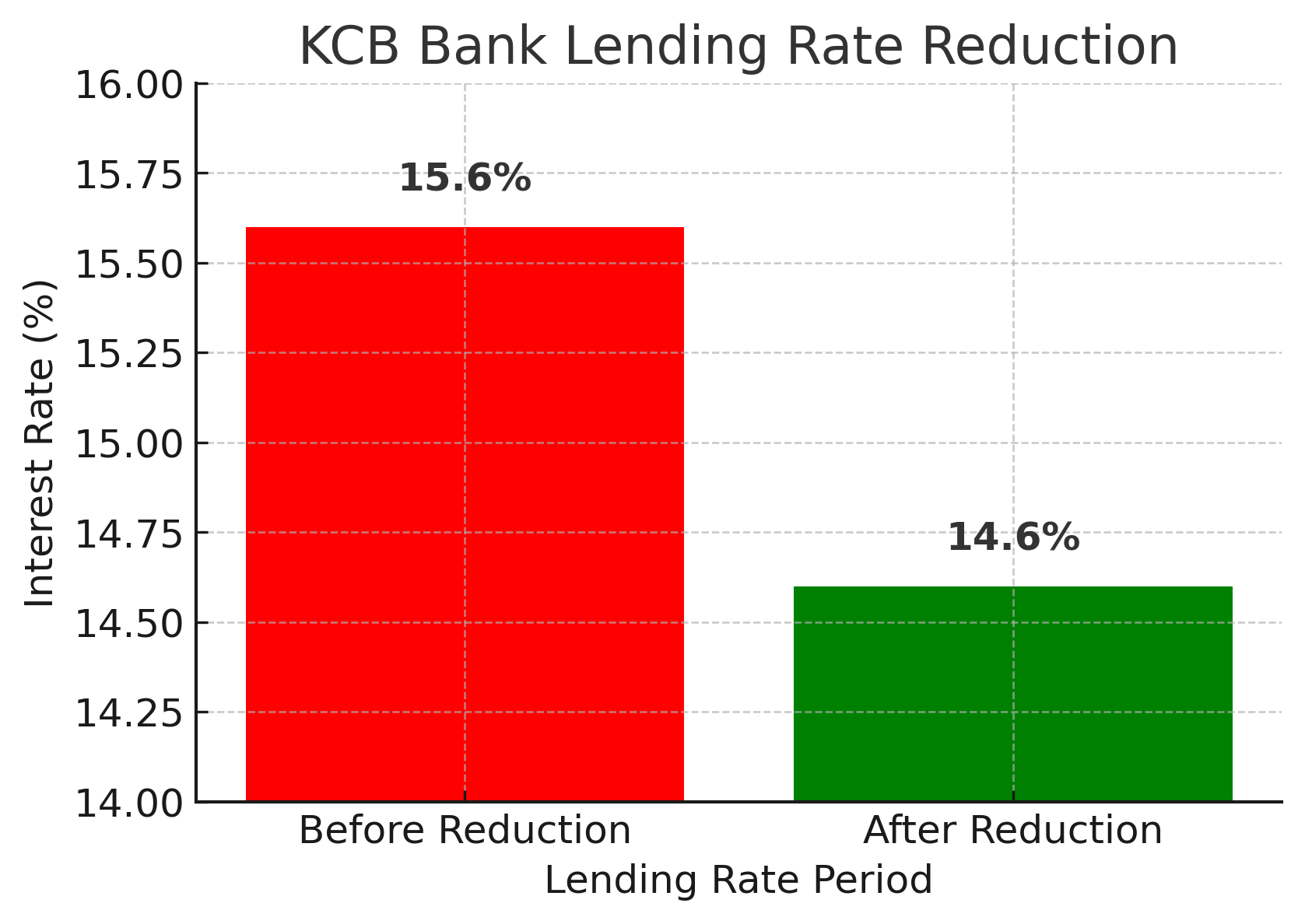
This rate cut, which took effect on February 10, 2025, aligns with the Central Bank of Kenya’s (CBK) recent efforts to lower the cost of borrowing by reducing the benchmark interest rate to 10.75%.
CBK’s Aggressive Push for Lower Lending Rates
The CBK has been actively enforcing compliance with its rate reductions, conducting physical inspections of commercial banks on February 5.
Institutions failing to comply with the directive faced the threat of hefty penalties, including daily fines. Additionally, the regulator lowered the cash reserve ratio to 3.25%, injecting approximately $570 million into the economy.
However, commercial banks have raised concerns over high fixed deposit costs, which present a challenge to immediate rate adjustments.
READ ALSO:
Increased Lending to Private Sector as CBK Cuts Interest Rates to 10.75% to Boost Economic Growth
Impact on Private Sector Credit and Economic Growth
The rate reduction is expected to address Kenya’s sluggish private sector credit growth, which hit a 22-year low.
By making borrowing more affordable, this move aims to encourage economic recovery, increase access to credit, and reduce non-performing loans in key sectors. The initiative also puts pressure on other commercial banks to follow suit in lowering lending rates.
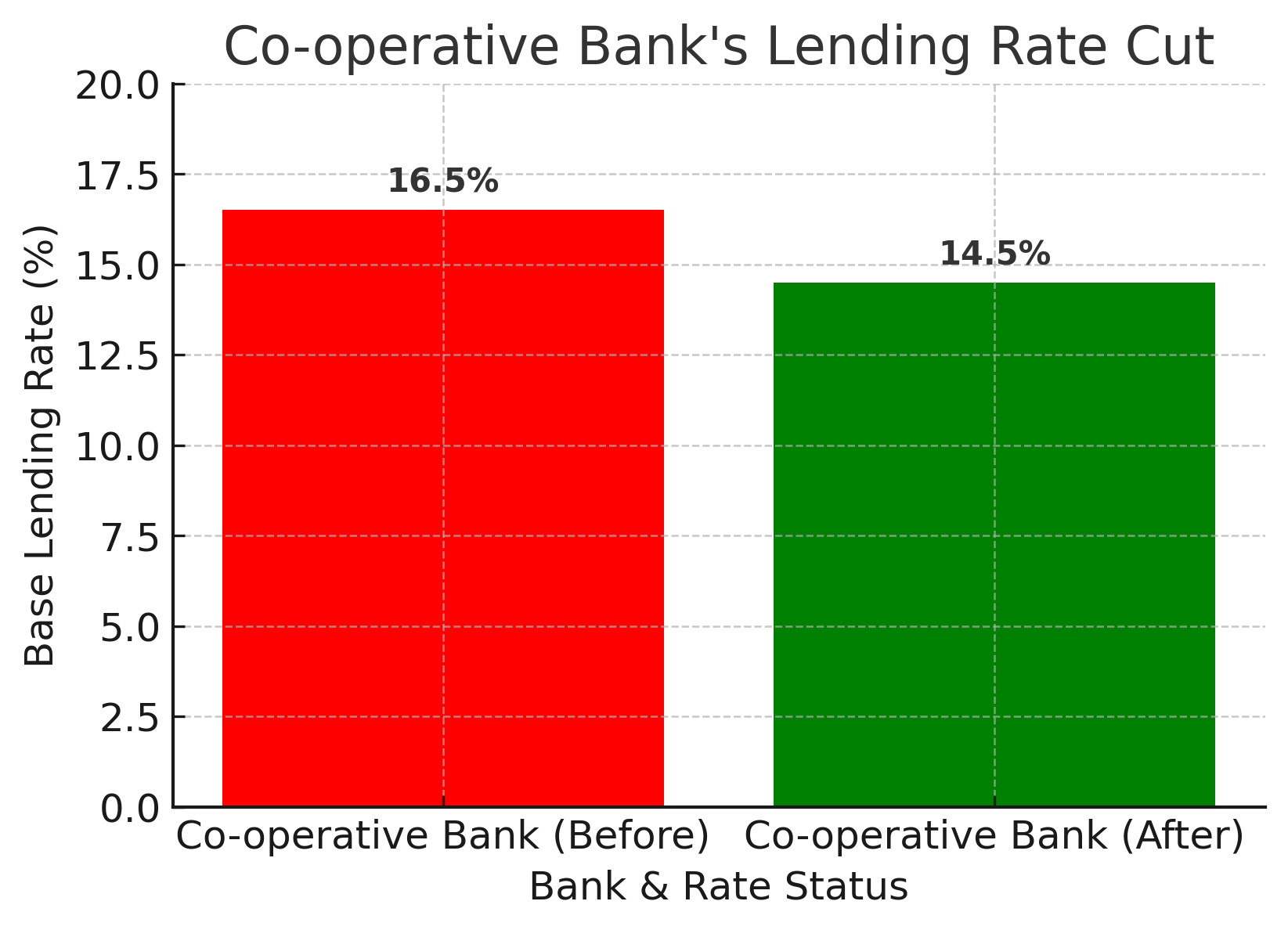
KCB Bank’s rate cut follows a similar move by Co-operative Bank of Kenya, which reduced its base lending rate by two percentage points to 14.5%.
Banks have faced growing pressure from the CBK to lower loan costs amid concerns that private sector credit contracted by 1.4% in 2024, threatening economic expansion.
Risk-Based Loan Pricing and KCB’s Loan Portfolio
Under Kenya’s risk-based loan pricing model, banks set a base interest rate and add a margin determined by an individual borrower’s risk profile.
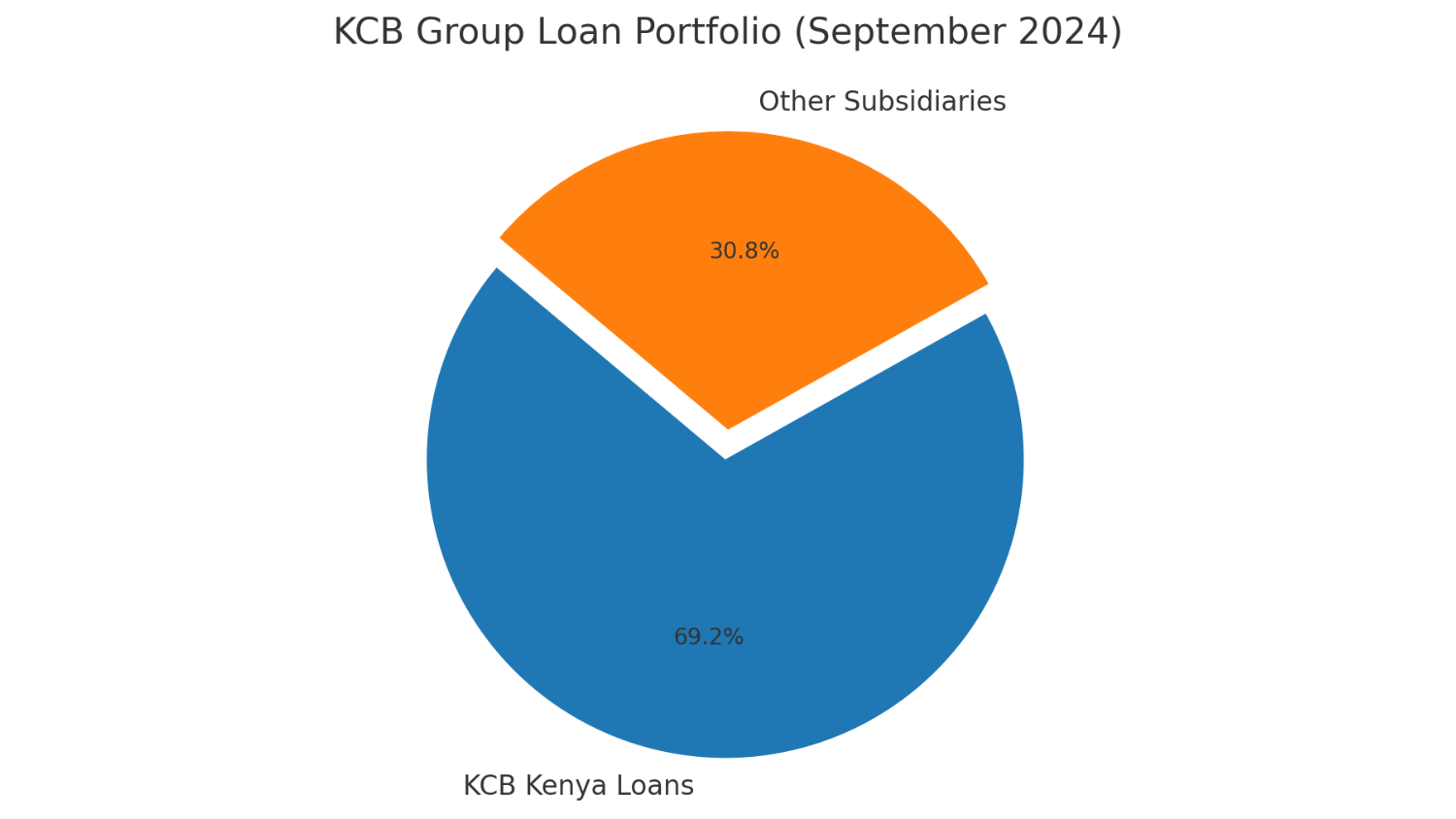
KCB Group’s latest financial report, covering the nine months up to September 2024, revealed that KCB Kenya held a loan portfolio of KSh 726.95 billion—accounting for 69% of the group’s total loan book of KSh 1.05 trillion.
“This reduction takes effect from February 10, 2025. The final lending rate will be based on a customer-specific margin, adjusted to the base rate, in line with the approved risk-based credit pricing model,” KCB said in a statement.
The revised rates apply to all new and existing Kenya shilling-denominated facilities but exclude fixed-rate credit products.
Regulatory Action Against Non-Compliant Banks
Since August 2024, the CBK’s monetary policy committee has implemented four rate cuts, reducing the base rate by a cumulative 2.25 percentage points.
Despite this, the regulator has accused banks of being slow to pass on the benefits of lower interest rates to borrowers.
CBK Governor Kamau Thugge announced that the central bank is conducting rigorous inspections to ensure compliance.
Banks found guilty of maintaining high lending rates despite the rate cuts face severe penalties, including fines of KSh 20 million or three times the monetary gains obtained from overcharging borrowers.
Additionally, banks that fail to adjust their rates in line with CBK directives risk an ongoing penalty of KSh 100,000 per day for continued non-compliance.
Challenges in Implementing Rate Reductions
Banks argue that they are constrained by high fixed deposit costs, which need time to mature before they can afford to lower lending rates further.
According to CBK data, between August and December 2024, banks had only reduced their rates by an average of 0.33 percentage points—far below the 1.75 percentage points cut in the CBK’s base rate during the same period.
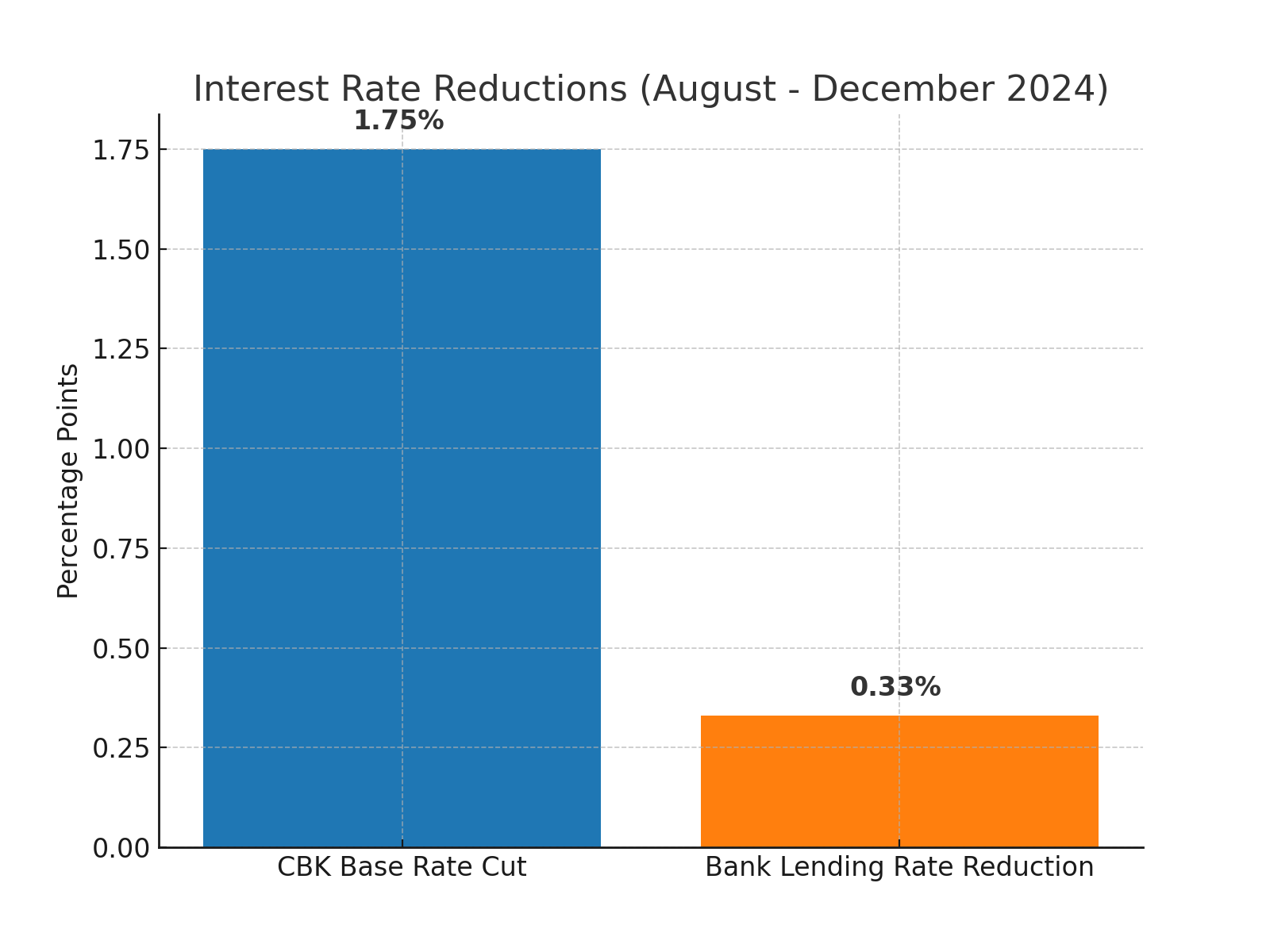
This lag highlights the tension between monetary policy objectives and the commercial realities of the banking sector.
Comprehensive Guide to KCB Bank Services
The KCB Bank App offers customers a seamless and secure way to access banking services on the go. With KCB mobile banking, users can conveniently perform transactions, check balances, and pay bills from their smartphones.
For any enquiries or support, KCB Bank Contacts provide a direct line to assistance. Customers can choose from a variety of KCB Bank Accounts, each tailored to different financial needs, whether personal or business-related.
For further support, KCB Bank customer care is always available to ensure a smooth and efficient banking experience.
READ ALSO:
New High-Security Banknote Series Secures Kenya’s Central Bank a Global Award
Looking Ahead
As KCB Bank and other financial institutions adjust their lending rates, Kenya’s banking sector is undergoing a transformation aimed at making credit more affordable.
The CBK’s firm position on compliance ensures that commercial banks align with the country’s broader economic recovery strategy.
However, the ongoing debate between regulators and banks over fixed deposit costs highlights the complexities involved in achieving a seamless transition to lower interest rates.
With increased oversight and stricter enforcement, more banks are expected to adjust their lending rates, ultimately benefiting borrowers and stimulating economic growth.
As the financial landscape evolves, stakeholders will closely monitor how these changes impact private sector credit access and overall economic development.
Thuita Gatero, Managing Editor at Africa Digest News, delivers unfiltered, data-driven narratives across finance, energy, and fintech.


Leave a Reply