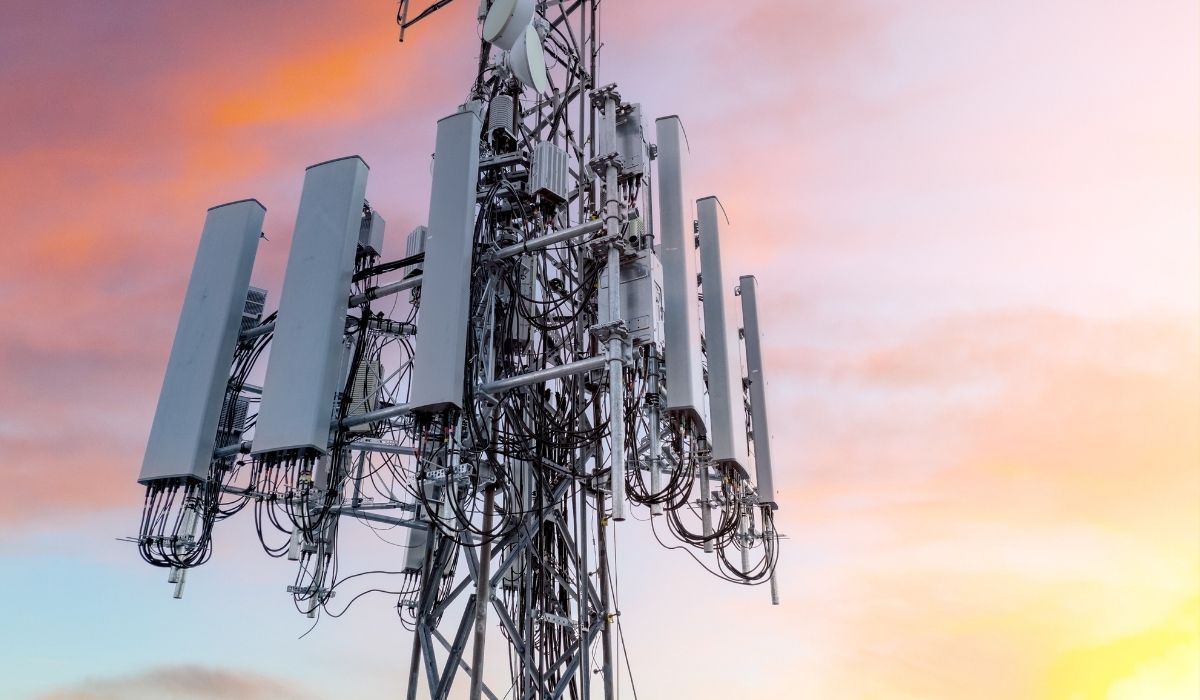
MTN Group has initiated advanced negotiations to acquire approximately 75% of IHS Towers, the largest independent tower company in Africa, in a transaction that could value IHS at around USD 2.76 billion based on its recent NYSE closing price.
Announced via a cautionary statement to the Johannesburg Stock Exchange (JSE) on February 5, 2026, MTN has sought JSE approval for the potential deal, which remains non-binding and subject to final agreement, regulatory clearances across multiple jurisdictions, and other conditions.

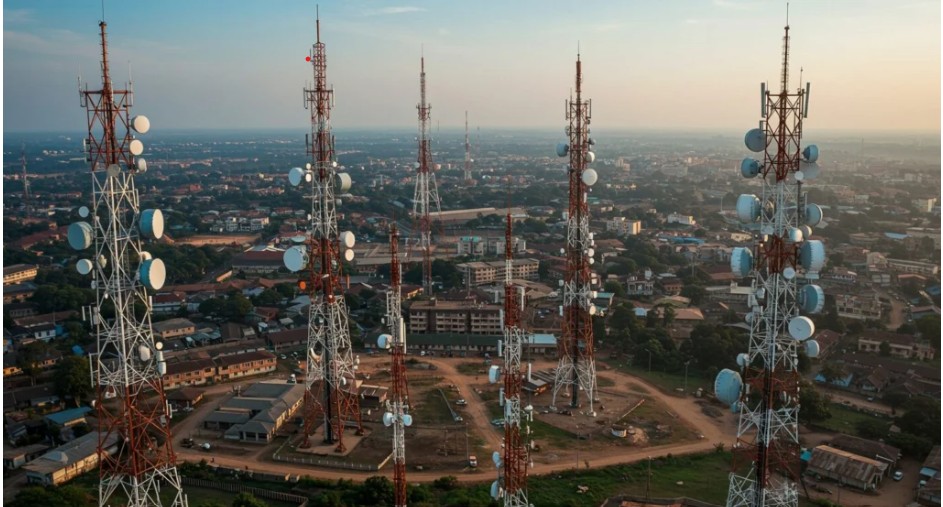
IHS Towers, founded in Nigeria in 2001, operates approximately 40,000 telecommunications towers across Africa, Latin America, and the Middle East.
Nigeria accounts for nearly 59% of its revenue as of the third quarter of 2025. MTN already holds a minority stake in IHS and leases a significant portion of its towers in key markets such as Nigeria and South Africa.
Should the transaction proceed, it would mark a reversal of the asset-light strategy that mobile operators, including MTN, pursued for over a decade by divesting towers to independent providers in exchange for long-term lease agreements.
Shift from Asset-Light to Integrated Infrastructure Ownership
Historically, operators sold towers to specialist firms like IHS to free up capital, reduce balance sheet debt, and focus on core services such as spectrum, customer acquisition, and network optimisation.
Leasing arrangements provided predictable costs but introduced long-term rental obligations, limited control over site maintenance, power management, and upgrade timelines, and occasional tensions over co-location terms or service levels.
Reclaiming majority control of IHS would grant MTN direct authority over tower infrastructure critical to its operations. This integration could enable:
- Accelerated network rollouts and upgrades, particularly for 5G deployment and rural expansion.
- Enhanced technical oversight, including power efficiency improvements (a major cost driver in markets with unreliable grids).
- Elimination or renegotiation of third-party lease payments, potentially converting fixed rental expenses into depreciable capital investments.
In Nigeria, which is MTN’s largest and most profitable market, the acquisition would consolidate dominance across both the service layer (mobile and data offerings) and the physical layer (tower infrastructure).
It would also extend influence over towers leased by competitors, strengthening MTN’s competitive positioning in capacity allocation, site sharing, and overall market dynamics.
Potential Cost Implications
Tower ownership could yield material cost savings over time by removing recurring lease fees, which often constitute a substantial portion of network operating expenses.
However, the upfront capital outlay potentially in the billions of USD would require careful financing, likely through a mix of debt, equity, and internal cash flows. MTN has emphasised that any transaction would align with its capital allocation framework.
Short-term integration costs, including harmonising operations and addressing any governance or legacy issues, must also be considered.
READ ALSO:What’s at Stake if MTN Acquires Telkom SA?
Long-term benefits could include improved EBITDA margins through reduced opex and greater flexibility in responding to competitive pressures, such as those from new entrants or alternative technologies.
The deal’s structure, potentially priced near IHS’s recent NYSE levels, reflects MTN’s intent to minimise premium payments while securing strategic control.
Strategic and Competitive Considerations
Beyond cost, tower ownership would afford MTN greater autonomy in network planning and resilience, particularly in challenging environments with power constraints or regulatory hurdles.
It aligns with a broader trend among leading operators to reintegrate key infrastructure amid rising data demand and 5G investments.
Control of IHS’s extensive portfolio would enhance MTN’s multinational footprint, providing leverage in negotiations with other tower users and supporting future consolidation opportunities.

Risks and Uncertainties
MTN has cautioned that no definitive agreement exists, and the transaction may not proceed. Regulatory scrutiny, particularly in Nigeria and other jurisdictions, could pose challenges, as could antitrust considerations given the concentration of tower assets.
Market volatility, currency risks, and integration complexities further introduce uncertainty.
Shareholders are advised to exercise caution, as the potential deal could materially affect MTN’s share price depending on outcomes.
Future Outlook
MTN’s pursuit of a controlling stake in IHS Towers represents a strategic inflection point, potentially reversing years of tower divestitures to prioritise ownership, cost optimisation, and operational autonomy.
If completed, the transaction could significantly lower long-term network expenses, accelerate infrastructure development, and reinforce MTN’s leadership in Africa’s telecommunications sector.
As of February 6, 2026, discussions remain ongoing without a binding commitment. All parties await further announcements following the JSE review and regulatory processes.
For the most current information, refer to official disclosures from MTN Group and IHS Towers.
Overview
IHS Towers Nigeria is the Nigerian unit of IHS Towers, a major global telecommunications infrastructure provider owning and operating cell towers and related services across Africa and Latin America.
MTN Group has multiple MTN group subsidiaries in markets across Africa and the Middle East, including MTN Group Nigeria, where it is one of the largest telecom operators serving millions of customers.
For investors, MTN Group investor relations provides financial reports, governance updates and market disclosures; MTN Group stock is listed on the Johannesburg Stock Exchange (JSE: MTN) and other exchanges, allowing public trading.
MTN operates widely across the continent as MTN group Africa, supporting mobile connectivity, enterprise solutions and digital services, and has expanded into digital financial services through MTN Group Fintech, which includes mobile money platforms like MoMo with partnerships and financial products for users and merchants.
Ronnie Paul is a seasoned writer and analyst with a prolific portfolio of over 1,000 published articles, specialising in fintech, cryptocurrency, climate change, and digital finance at Africa Digest News.






Leave a Reply