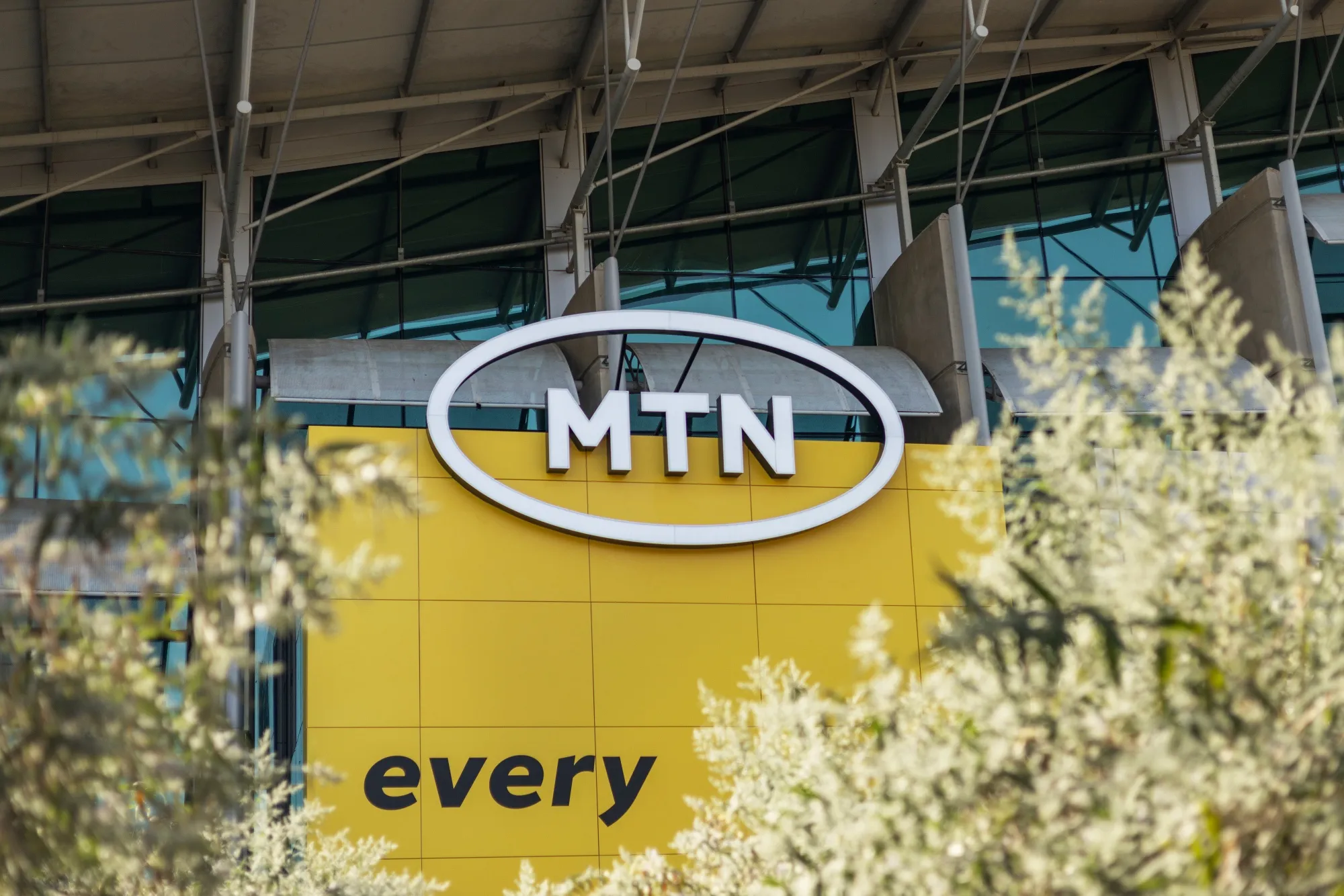
Billions in infrastructure, millions of subscribers, and the future of connectivity in South Africa hang in the balance as MTN Group reconsiders acquiring Telkom SA.
This potential deal, which previously fell through in 2022 due to disagreements over exclusivity and antitrust concerns, could reshape the industry. But what exactly is at stake?
Background: The Road to a Potential MTN–Telkom Acquisition
MTN, Africa’s largest wireless carrier, has long eyed opportunities to strengthen its position in South Africa, where it trails behind Vodacom in market share.
Telkom SA, with its extensive fibre infrastructure through Openserve, a robust tower portfolio, and property assets, represents a strategic fit.
Initial discussions in 2022 aimed at a merger but collapsed amid regulatory fears and failed exclusivity agreements.
Fast-forward to 2025: Bloomberg reports that MTN is holding talks with advisers and could resume negotiations by year-end, driven by shifting market dynamics and regulatory environments.
Telkom’s shares surged 13% on the news, reflecting investor optimism, while MTN’s dipped slightly amid uncertainty. If successful, the deal would create a telecom powerhouse, combining MTN’s mobile prowess with Telkom’s fixed-line strengths.
Market Impact: Reshaping Competition in South Africa’s Telecom Sector
A key stake in this acquisition is the transformation of South Africa’s telecom market, currently dominated by a near-duopoly of Vodacom and MTN.
Telkom holds about 15–20% market share in mobile, while MTN boasts around 30%. A merger would catapult the combined entity to over 40% share, potentially closing the gap with Vodacom and creating a more balanced triopoly with smaller players like Cell C and Rain.
Pros for the Market:
- Enhanced competition against Vodacom
- Partnerships and efficiency gains
- Asset optimisation through towers and data centres
Cons for the Market:
- Reduced competition (shrinking from four to three major players)
- Dominance risks in spectrum and partnerships
- Precedent for further consolidations
READ ALSO:What the Access Bank Deal Means for Bidvest’s Future Strategy
Consumer Implications: Prices, Services, and Choice
For South African consumers, who rely heavily on affordable data and reliable connectivity, the stakes are personal.
Mobile data prices have fallen dramatically in recent years due to competition, but a merger could reverse that trend.
Potential Benefits:
- Improved service quality with better network upgrades
- Bundled offerings (mobile + fixed-line)
- Broader fibre coverage in underserved areas
Potential Drawbacks:
- Higher data and voice prices
- Limited plan variety
- Possible short-term service disruptions during integration
In a country where load shedding already strains networks, a seamless merger is vital to avoid worsening frustrations.
Regulatory Hurdles: Will the Deal Get Greenlit?
No discussion of stakes is complete without addressing regulation. South Africa’s Competition Commission and ICASA (Independent Communications Authority of South Africa) will scrutinise the deal for antitrust violations.
The government, holding a 40% stake in Telkom, adds another layer of complexity.
Key stakes include:
- Antitrust fears around market concentration
- Potential conditions like spectrum divestitures or job protections
- Political influence linked to Telkom’s state ties
Past failures underscore the difficulty of navigating this terrain, but 2025’s regulatory climate might prove more favourable.
Economic and Employment Effects: Jobs, Investment, and Growth
Economically, the merger could inject vitality into South Africa’s sluggish telecom sector, which saw Telkom’s revenue grow 3.3% to R43.9 billion in FY2025.
Positives:
- Fresh investment in infrastructure
- Potential credit rating improvements
Negatives:
- Job redundancies due to operational overlaps
- Cultural clashes between MTN’s corporate model and Telkom’s state influence
- Broader risks if connectivity costs rise for SMEs
Technological Advancements: A Leap Forward or Stagnation?
On the tech front, stakes include accelerated digital transformation. Telkom’s fibre leadership could supercharge MTN’s 5G ambitions, potentially positioning South Africa as a regional tech hub. However, reduced competition could also weaken the pressure to innovate.
Stay tuned as this story unfolds; South Africa’s digital economy hangs in the balance.
Ronnie Paul is a seasoned writer and analyst with a prolific portfolio of over 1,000 published articles, specialising in fintech, cryptocurrency, climate change, and digital finance at Africa Digest News.







Leave a Reply