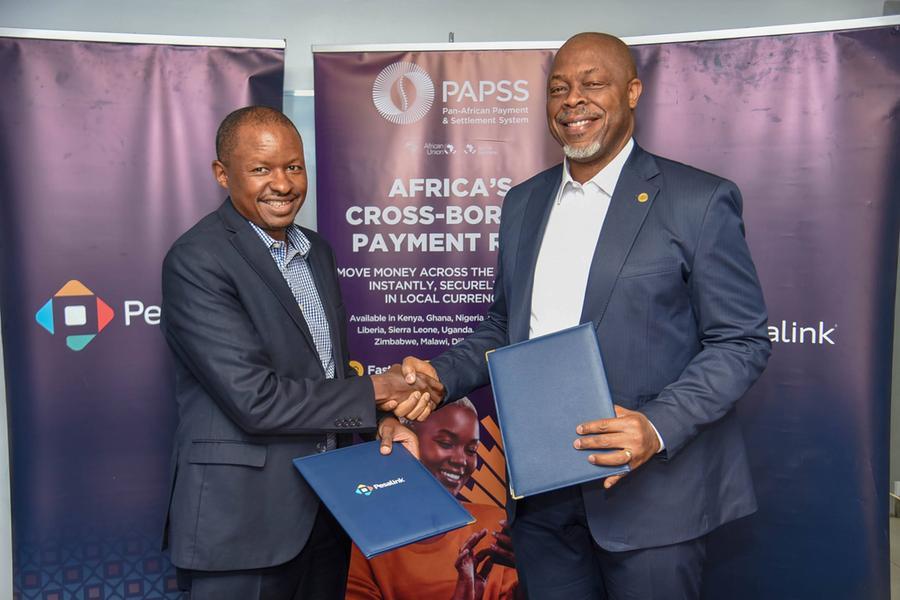
Kenya’s Integrated Payment Service Ltd (IPSL), operator of the Pesalink platform, has partnered with the Pan-African Payment and Settlement System (PAPSS), with support from Afreximbank, to establish a direct payment corridor linking Kenya’s domestic payment ecosystem to the continent-wide network.
The integration, announced in February 2026, enables instant, secure cross-border transactions in local African currencies, eliminating reliance on foreign intermediary currencies such as the US dollar.
This corridor marks a significant advancement in addressing longstanding structural barriers to intra-African trade and payments, including high transaction costs, extended settlement times, and currency conversion friction.
By connecting Pesalink to PAPSS, the initiative creates a practical, scalable pathway toward more efficient, affordable, and inclusive cross-border financial flows.
Persistent Barriers in Intra-African Payments
Intra-African trade remains constrained by several systemic challenges:
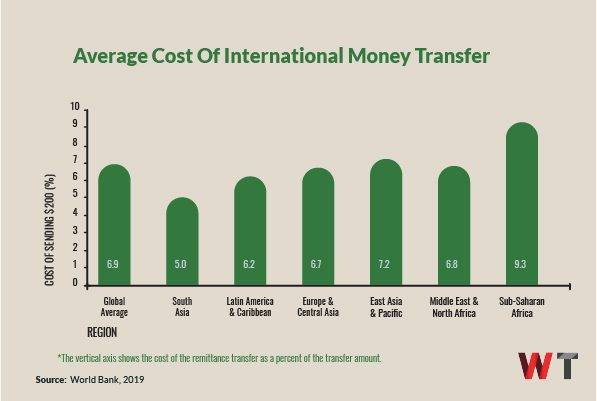
- High Transaction Costs: Average cross-border payment costs in Africa range from 7% to 8% of the transaction value, significantly exceeding the global average of approximately 6.3% (World Bank estimates).
- Extended Settlement Times: Transactions frequently take several days to clear due to correspondent banking relationships and intermediary currency conversions.
- Currency Conversion Risks: Reliance on non-African currencies introduces exchange-rate volatility and additional fees, particularly burdensome for small and medium-sized enterprises (SMEs).
- Limited Interoperability: Fragmented national payment systems hinder seamless connectivity across borders.
These frictions increase operational costs, reduce liquidity, and discourage cross-border business activity, limiting the potential of the African Continental Free Trade Area (AfCFTA).
Key Features of the Pesalink–PAPSS Corridor
The integration delivers several transformative capabilities:
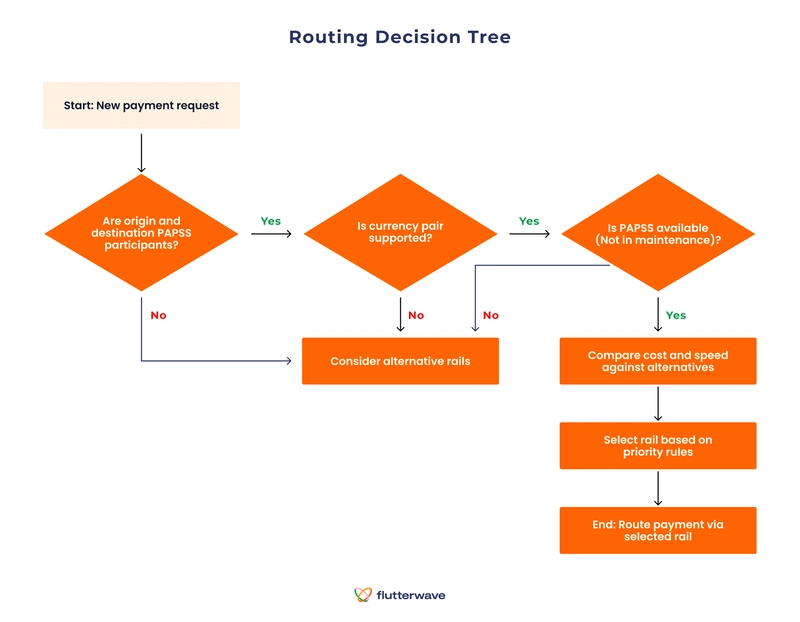
- Local-Currency Settlements: Transactions occur directly in the originating and receiving currencies, eliminating intermediary currency conversion.
- Instant Settlement: Payments are processed and settled in real time, providing immediate availability of funds.
- Significantly Lower Costs: Removal of correspondent banking layers and FX margins reduces overall transaction expenses.
- Simplified Interoperability: Pesalink serves as a technical connectivity provider to PAPSS, linking more than 80 Kenyan banks, fintechs, and mobile money providers to over 160 commercial banks across Africa.
Pesalink is the first national switch piloted in Kenya for direct transaction termination, a milestone that has already stimulated significant engagement. This model creates new pathways for efficient, local-currency payments and strengthens the push toward a harmonised African financial system
Mike Ogbalu III, CEO of PAPSS, stated
READ ALSO:PAPSS Hits 17 Countries as Morocco Signs On
Gituku Kirika, CEO of IPSL
“This partnership is a transformative milestone for Kenya’s financial sector. Financial institutions can now provide customers with faster, cheaper, and more predictable cross-border payment solutions—tools essential for thriving in an increasingly digital and interconnected marketplace.”
Alignment with AfCFTA Objectives
The corridor directly supports the goals of the African Continental Free Trade Area by:
- Reducing operational costs and settlement risks for cross-border traders.
- Enabling SMEs in manufacturing, agriculture, tourism, and other sectors to participate more effectively in regional markets.
- Promoting greater economic self-reliance through reduced dependence on non-African financial intermediaries.
- Facilitating real-time payment capabilities that enhance liquidity and business confidence.
The initiative is expected to increase intra-African trade volumes, particularly for smaller enterprises that have historically been constrained by payment inefficiencies.
Broader Implications for Africa’s Payment Infrastructure
The Pesalink–PAPSS corridor represents a concrete step toward Africa’s financial sovereignty. By advancing direct local-currency payments and strengthening interoperable infrastructure, the partnership contributes to:
- Greater financial inclusion for businesses and consumers.
- Reduced systemic reliance on foreign currencies for intra-continental trade.
- A foundation for harmonised African payment systems.
- Enhanced competitiveness of African economies within global trade networks.
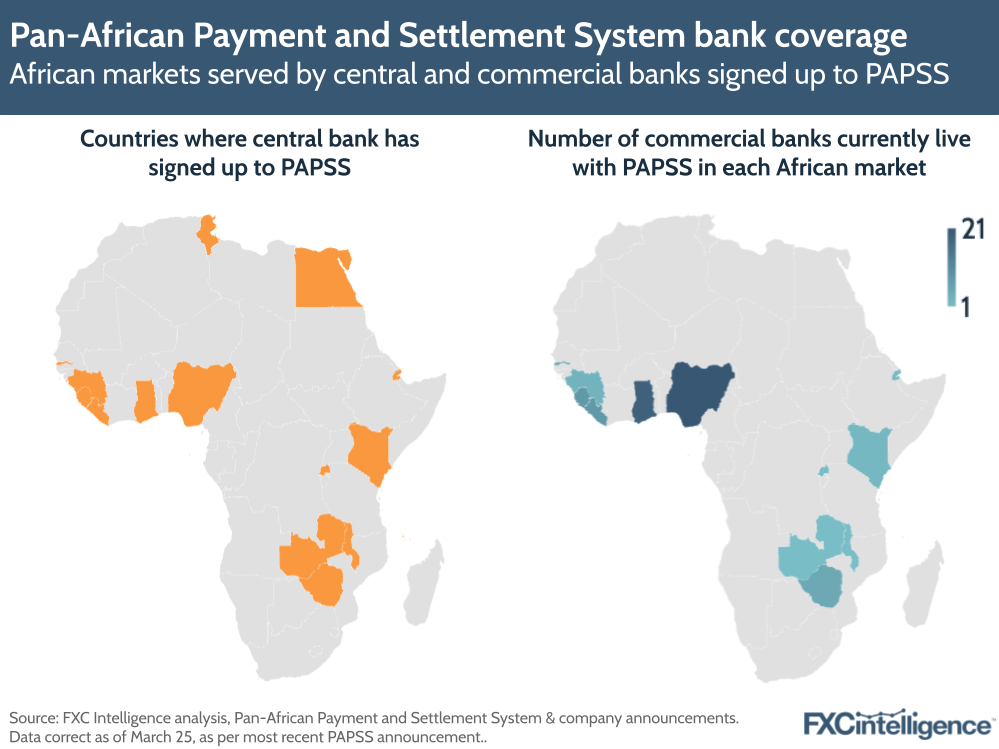
As more national switches and payment providers connect to PAPSS, the corridor model is expected to scale across additional markets, creating a more integrated and efficient continental payment ecosystem.
Looking Ahead
The Pesalink–PAPSS corridor is a breakthrough for intra-African trade because it delivers instant, low-cost, local-currency settlements, directly addressing the high costs, delays, and currency risks that have long hindered cross-border commerce.
By connecting Kenya’s domestic payment ecosystem to the broader PAPSS network, the initiative supports AfCFTA objectives, enhances SME participation, and promotes greater economic self-reliance.
This partnership exemplifies progress toward a more harmonised and inclusive African financial system.
For the most current details on implementation, transaction capabilities, and expansion plans, refer to official announcements from IPSL, PAPSS, or Afreximbank.
Pan-African Payment and Settlement System (PAPSS) Overview
Pan-African Payment and Settlement System (PAPSS) is a real-time payment infrastructure that enables cross-border transactions across African countries in local currencies, supporting intra-African trade under AfCFTA.
PAPSS Kenya refers to Kenyan banks connected to the system, allowing customers to send and receive cross-border payments through their existing bank platforms.
There is no separate PAPSS sign-up for individuals; access is provided via participating banks.
PAPSS Afreximbank highlights the role of the African Export-Import Bank, which developed and operates the system. PAPSS participants include central banks, commercial banks, and fintechs integrated into the network.
Banks such as United Bank for Africa (UBA) support PAPSS transactions for customers. PAPSS login is done through a participating bank’s online or mobile banking platform.
The PAPSS Card (PAPSSCARD) is a pan-African retail card scheme designed to facilitate seamless cross-border payments within the PAPSS ecosystem.
Ronnie Paul is a seasoned writer and analyst with a prolific portfolio of over 1,000 published articles, specialising in fintech, cryptocurrency, climate change, and digital finance at Africa Digest News.


Leave a Reply