
KfW has committed an additional €20 million to the Regional Enterprise Growth and Investment Fund for Africa (REGMIFA), a specialised debt fund advised by Symbiotics, to expand financing for micro-, small-, and medium-sized enterprises (MSMEs) across Sub-Saharan Africa.
This investment, managed on behalf of the German Federal Ministry for Economic Cooperation and Development (BMZ), is structured as unlimited-maturity class C shares and increases REGMIFA’s total assets to over USD 160 million.
KfW has also allocated a €5 million grant to build the capacity of participating financial institutions.
The funds target operations in nine G20 Compact with Africa countries: Benin, Burkina Faso, Côte d’Ivoire, Ethiopia, Ghana, Guinea, Rwanda, Senegal, and Togo.
Mechanism for Closing the Financing Gap
REGMIFA provides medium- to long-term debt, mezzanine financing, guarantees, and technical assistance to local financial institutions that extend credit to MSMEs.
Operating in 19 Sub-Saharan African countries, 13 of which are classified as least developed, the fund addresses chronic barriers to credit access in fragile and underserved markets, where traditional banking often falls short due to perceived risks and limited infrastructure.
The €20 million equity-like contribution serves dual purposes: direct lending support through partner institutions and a risk buffer that mitigates exposure for other investors.
This layered structure attracts additional private and public capital, creating a catalytic effect that amplifies the reach of development finance in high-risk environments.
Focus on Job Creation and Economic Resilience
By channelling resources to MSMEs, REGMIFA prioritises employment generation, a critical driver of economic stability and poverty reduction in Sub-Saharan Africa.
The initiative supports businesses in sectors essential to local livelihoods, fostering sustainable growth amid challenges such as political fragility, economic volatility, and limited formal financial services.
Laure Wessemius-Chibrac, Chairman of REGMIFA, stated, “Creating local jobs is one of the most important drivers to shape the future of Sub-Saharan Africa.
The investments provided by the German government will go a long way to support small and medium enterprises with financial means to create and sustain jobs.”
This alignment with broader development objectives enhances financial inclusion, particularly for underserved segments, while promoting resilience in fragile markets.

Small and medium-sized enterprise owners in Sub-Saharan Africa benefiting from improved access to financing.
Capacity Building and Risk Mitigation
The accompanying €5 million grant strengthens the operational capabilities of partner financial institutions, enabling them to extend more effective and sustainable lending to MSMEs.
This technical assistance component is vital in fragile contexts, where institutional weaknesses can hinder credit delivery.
READ ALSO:Will Structured Green Debt Outperform Conventional Lending?
The unlimited-maturity structure of the class C shares provides long-term stability, reducing refinancing pressures and allowing the fund to maintain consistent support for MSME lending over extended periods.
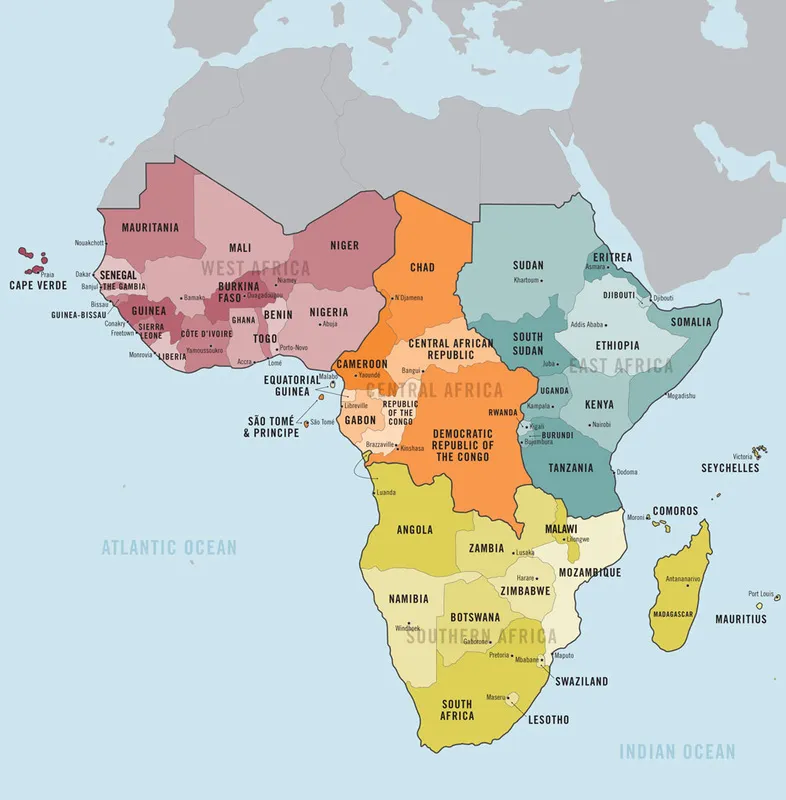
Map of Sub-Saharan Africa highlighting the nine G20 Compact with Africa countries targeted by this commitment: Benin, Burkina Faso, Côte d’Ivoire, Ethiopia, Ghana, Guinea, Rwanda, Senegal, and Togo.
Broader Impact on Financial Inclusion
This commitment advances KfW’s longstanding partnership with REGMIFA, reinforcing a public-private model that mobilises blended finance to close persistent financing gaps.
By de-risking investments and building local institutional capacity, the initiative encourages greater private sector participation and contributes to inclusive economic development across the region.
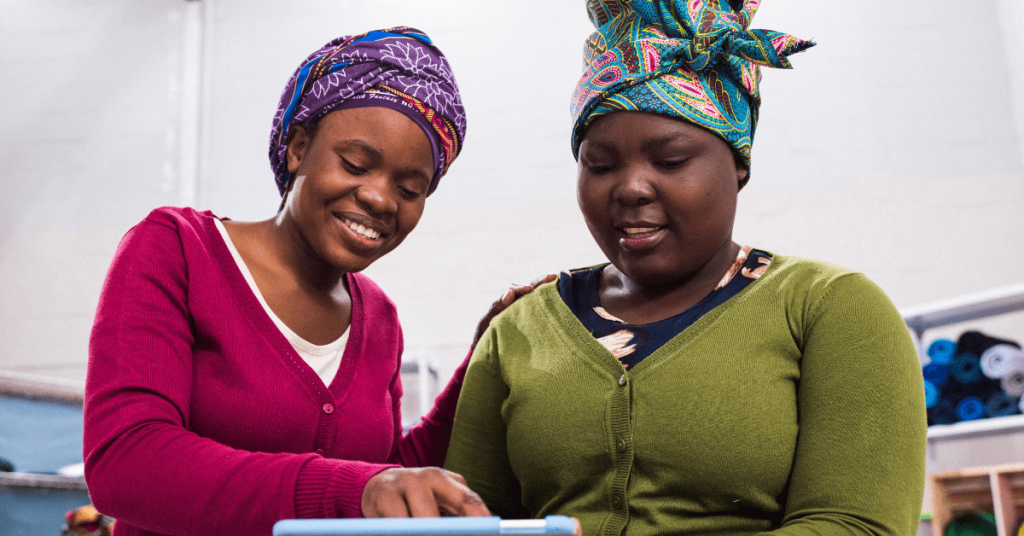
Women entrepreneurs in Africa accessing financial services, illustrating the gender-inclusive impact of MSME financing initiatives.
Future Outlook
KfW’s €20 million investment, combined with the €5 million grant, significantly enhances REGMIFA’s ability to address the MSME financing gap in fragile African markets.
Through targeted debt provision, risk mitigation, and capacity building in priority countries, this collaboration promotes job creation, financial inclusion, and sustainable growth.
As of January 20, 2026, the initiative exemplifies effective development finance in mobilising resources for high-impact outcomes in Sub-Saharan Africa.
For the most current details, refer to official sources from KfW, REGMIFA, and Symbiotics.
REGMIFA Overview
The REGMIFA annual report provides a comprehensive overview of the fund’s financial performance, development impact, and portfolio trends, including details on the Regmifa TA facility designed to strengthen microfinance institutions.
Symbiotics Group is a leading market intermediary in emerging and frontier markets that manages blended finance vehicles and investment solutions, including Symbiotics Investments that channel capital into inclusive finance.
Within this ecosystem, grants for microfinance support capacity building and innovation, while broader vehicles such as the Africa Fund and the African Fund for Socio Economic Transformation aim to drive sustainable development and economic growth across the continent.
Ronnie Paul is a seasoned writer and analyst with a prolific portfolio of over 1,000 published articles, specialising in fintech, cryptocurrency, climate change, and digital finance at Africa Digest News.




Leave a Reply