
Uber has pledged to invest R5 billion (approximately US$260 million) in South Africa over the next three years.
The commitment was announced at the 6th South Africa Investment Conference 2026 in Johannesburg on 31 March 2026, where the government continues to target R2 trillion in new investments between 2023 and 2028.
This substantial pledge demonstrates Uber’s long-term confidence in one of its largest African markets, even as the company faces ongoing regulatory uncertainty under the amended National Land Transport Act.
The investment combines new capital with previously planned expenditure and focuses on strategic priorities that align with national goals of economic inclusion, job creation, and sustainable mobility.
Breakdown of the R5 Billion Investment Commitment
Uber Sub-Saharan Africa General Manager Deepesh Thomas clarified that the R5 billion figure includes both fresh investment and previously allocated capital expenditure.
The funds will be deployed across four key areas:
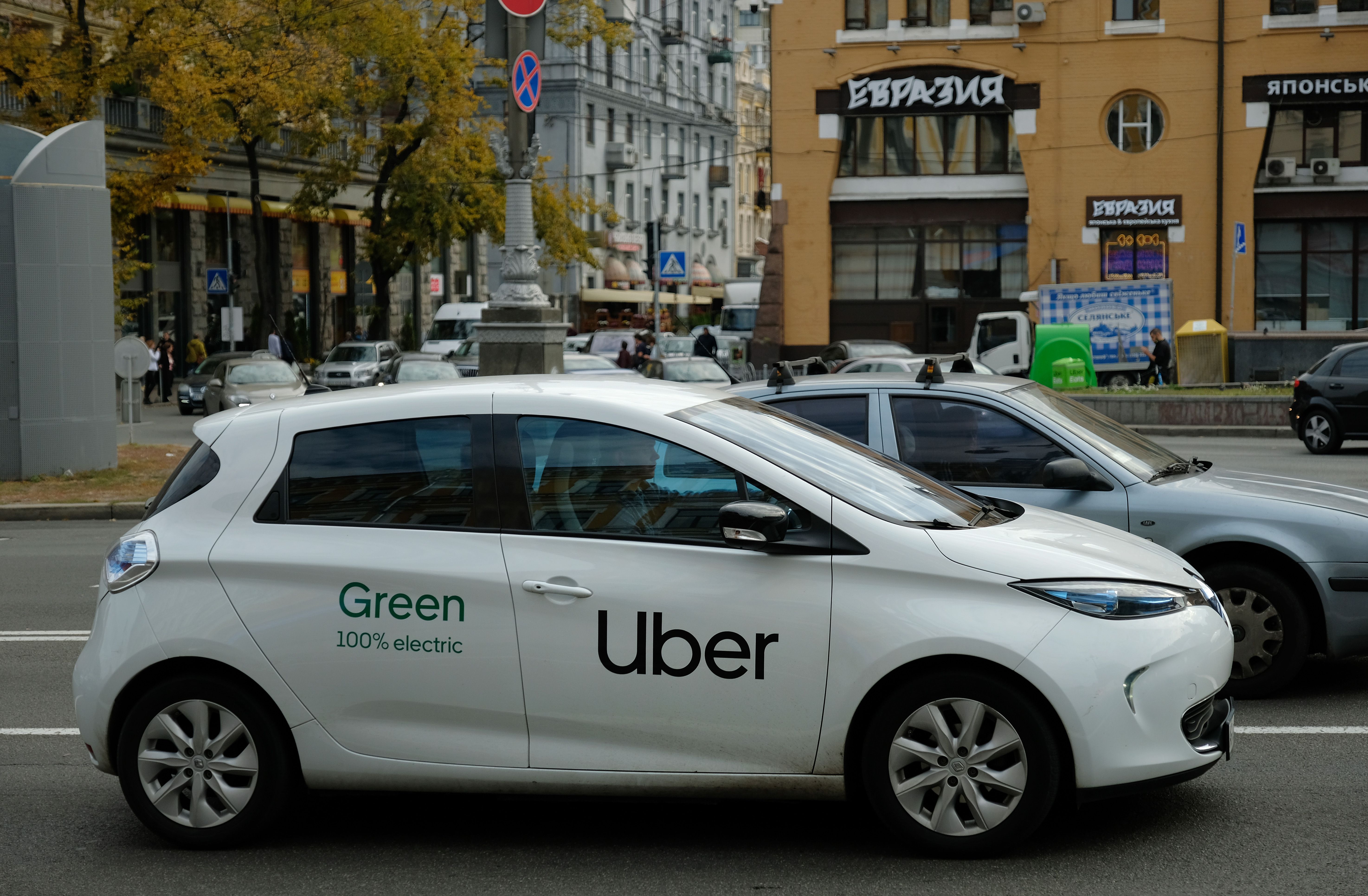
- Scaling the electric vehicle fleet, with particular emphasis on the Uber Go Electric category.
- Expanding charging infrastructure to support broader EV adoption.
- Investing in merchant hardware for Uber Eats partners to enhance digital capabilities.
- Creating new earning opportunities through deeper penetration into township economies, equipping small merchants with tools, logistics support, and access to online marketplaces.
A notable portion supports Uber’s global target of achieving zero-emission mobility by 2030.
READ ALSO:Uber’s Electric Boda Initiative Gains Momentum in Kenya
The company already operates more than 120 electric vehicles in Johannesburg, and the new investment aims to accelerate fleet electrification while addressing South Africa’s high unemployment rate, which exceeds 30%.
The pledge also strengthens Uber Eats’ role in township economies by providing small merchants with digital tools and market access, thereby fostering employment and economic participation in underserved communities.

Regulatory Context and Compliance Challenges
The announcement occurs against a backdrop of significant regulatory uncertainty. The amended National Land Transport Act, effective from September 2025, introduced a 180-day compliance period ending on 11 March 2026.
The legislation requires e-hailing platforms to obtain operating licences, mandates individual driver permits, enforces strict vehicle standards (including branding and safety features such as panic buttons), and may impose geographical restrictions.
Non-compliance carries penalties of up to R100,000 or two years’ imprisonment.
As of late March 2026, Uber has submitted its application for registration with the National Public Transport Regulator (NPTR) but has not yet secured final approval.
In contrast, competitor Bolt has obtained the necessary certificate of registration and begun issuing affiliation letters to drivers.
Uber has stated that it is engaging constructively with authorities to ensure a smooth transition to the new framework.
This regulatory environment creates operational risks, yet Uber’s substantial investment pledge is widely viewed as a strategic signal of commitment.
By demonstrating tangible contributions to job creation, digital innovation, and sustainable transport, the company seeks to strengthen its negotiating position and underscore its value to the South African economy.
Strategic Implications and Long-Term Positioning
Uber’s approach reflects a deliberate balance between regulatory navigation and sustained growth.
The investment supports South Africa’s broader economic objectives while advancing Uber’s global sustainability agenda.
Deeper township penetration through Uber Eats not only expands the company’s addressable market but also contributes to inclusive growth in areas historically marginalised from formal economic opportunities.
In a highly competitive ride-hailing and delivery sector, this capital deployment reinforces Uber’s market position and prepares the platform for a more regulated operating environment.
Success will depend on timely regulatory approval, effective execution of the EV and infrastructure rollout, and continued collaboration with government stakeholders.
Uber Overview
Uber operates in many countries, including Uber Nairobi, where users can book rides, deliveries, and transport services via the app.
An Uber driver is a registered partner who signs up, completes verification, and earns by accepting ride or delivery requests.
The platform is also active in markets like Uber India and Uber Canada, offering similar mobility and delivery services.
Uber for Business provides companies with tools to manage employee travel, meals, and transport expenses.
Users can access services through the Uber app login after installing the app via Uber app download from Android or iOS app stores.








Leave a Reply