Flutterwave has obtained a banking licence from the Central Bank of Nigeria, marking a significant regulatory milestone that transforms the company from a payments processor into a fully licensed financial services provider.
The approval, secured in late March 2026, allows Flutterwave to directly manage deposits, settlements, fund flows, and a broader range of financial products within its ecosystem.
This development ends Flutterwave’s previous reliance on partner banks under a sponsorship model and grants the company greater control over the movement of money, operational efficiency, and value capture across its platform.
With more than US$40 billion in cumulative transaction value and over one billion payment events processed, Flutterwave is now positioned to deepen its integration into Nigeria’s financial system.
Key Operational and Strategic Changes
The banking licence fundamentally alters Flutterwave’s business model in several critical areas:
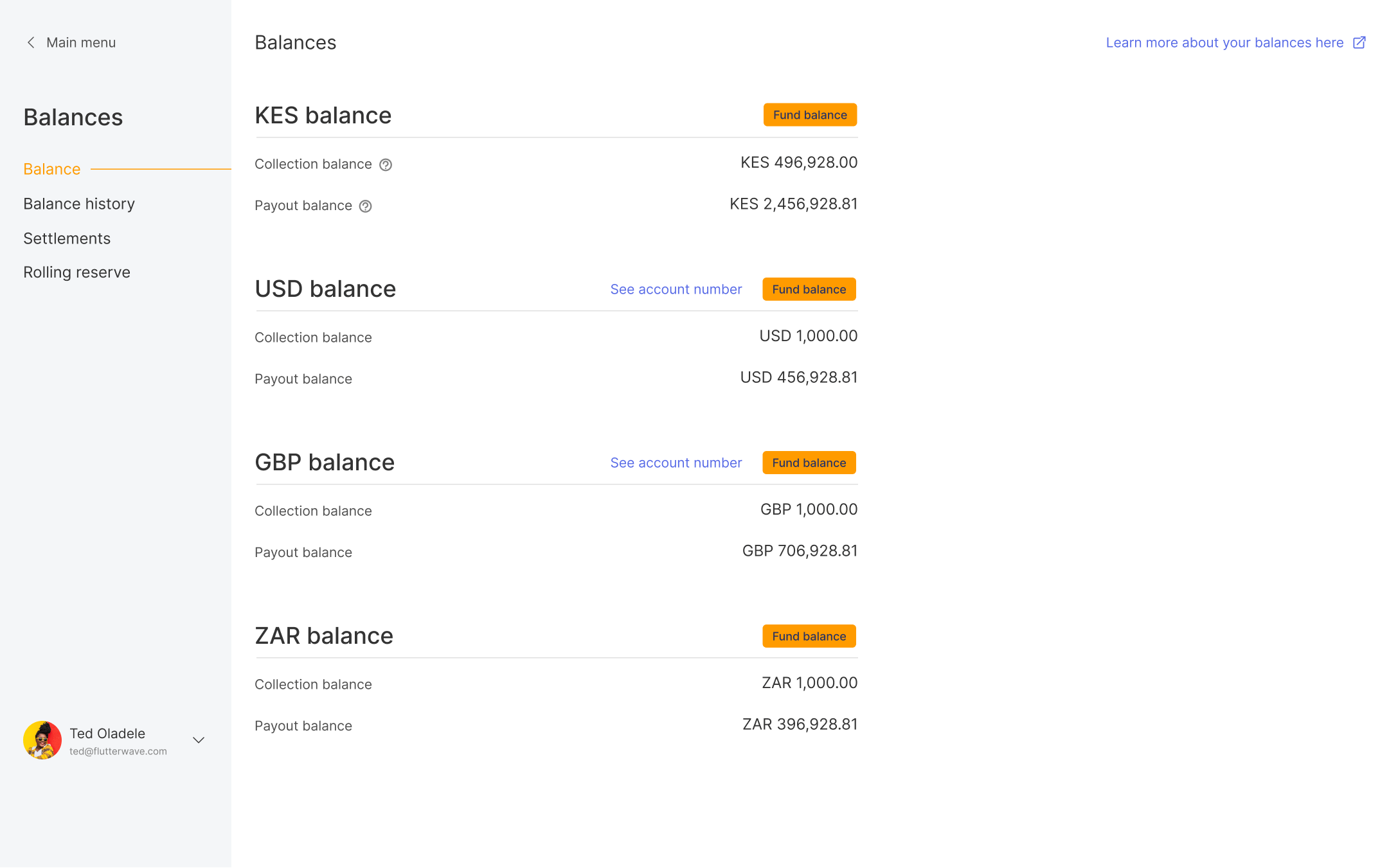
- Direct Control Over Funds and Settlements: Previously dependent on third-party banks for fund holding and settlement, Flutterwave can now operate its own accounts, manage liquidity internally, and reduce intermediary costs and delays. This improves speed, reliability, and margin capture.
- Accelerated Product Innovation: The licence removes regulatory constraints that previously limited product development. Flutterwave can now design and launch new features more rapidly without requiring constant bank approvals.
- Expanded Service Offerings:
- For Consumers: Evolution of SendApp (already used by over one million people) to offer virtual account numbers, instant transfers, savings, and comprehensive personal financial management tools.
- For Businesses (over two million active clients): Full account opening, payouts, payroll management, multi-currency operations, working capital loans, and merchant financing informed by real-time transaction data.
- For Enterprises: Advanced treasury and liquidity management solutions, plus API-driven infrastructure to enable embedded finance across partner platforms.
The licence complements Flutterwave’s recent acquisition of Mono, an open banking platform, creating a powerful combination of payments infrastructure, data connectivity, and now direct banking capabilities.
Founder and CEO Olugbenga Agboola described the milestone as a transition “into the core of the system,” enabling the company to own more of the financial value chain rather than operating at its periphery.

Alignment with Industry Trends
Flutterwave’s move reflects a broader trend among leading African fintechs toward deeper regulatory integration.
By becoming a licensed financial institution, the company joins a select group of fintechs that have successfully transitioned into regulated banking or quasi-banking entities.
READ ALSO:How Yango and Flutterwave Are Expanding Secure Card Payments in Zambia
This shift enhances credibility with regulators, institutional partners, and large corporate clients while reducing dependency on traditional banks.
In Nigeria’s highly competitive and dynamic digital payments market, the licence strengthens Flutterwave’s competitive moat and positions it to capture a larger share of the value chain, particularly in high-margin areas such as lending, treasury services, and embedded finance.
Implications for Flutterwave and the Ecosystem
For Flutterwave, the banking licence unlocks significant growth levers:
- Improved unit economics through reduced settlement costs and new revenue streams.
- Stronger data advantage for risk assessment and personalised financial products.
- Enhanced ability to serve both the mass market and enterprise segments with end-to-end solutions.
For the wider ecosystem, the development signals maturing regulatory acceptance of fintech innovation in Nigeria and may encourage further convergence between technology platforms and traditional financial services.
Future Outlook
Flutterwave’s acquisition of a banking licence from the Central Bank of Nigeria represents a pivotal evolution from payments processor to integrated financial services provider.
By gaining direct control over deposits, settlements, and fund flows, the company can accelerate product innovation, expand its offerings to consumers, businesses, and enterprises, and capture more value within its ecosystem.
Supported by the strategic acquisition of Mono and its existing scale (US$40 billion+ in processed volume), this regulatory milestone strengthens Flutterwave’s position in Nigeria’s digital economy.
As of April 2026, the licence positions the company for deeper market penetration and long-term sustainable growth in Africa’s fintech landscape.
For the latest updates on product rollouts or regulatory developments, refer to official announcements from Flutterwave or the Central Bank of Nigeria.
Flutterwave Overview
Flutterwave is a payments platform that enables businesses to accept and send payments across Africa and globally.
The Flutterwave CEO is Olugbenga Agboola. Flutterwave Kenya refers to its payment services supporting cards, bank transfers, and mobile money in Kenya.
Businesses can access tools through Flutterwave login after Flutterwave sign up on the platform. Flutterwave Developer tools provide APIs for integrating payments into apps and websites.
The Flutterwave app and dashboard allow merchants to track transactions, while the Flutterwave payment gateway supports cards, bank transfers, and Flutterwave mobile money payments across multiple African markets.








Leave a Reply