Business structures can sometimes feel confusing, especially with larger companies. One term that comes up often is the holding company.
Many people hear the phrase without fully understanding what it means. Yet holding companies play a major role in how businesses are organized.
Understanding this concept can help clarify how large corporations actually function. It can also help entrepreneurs think about structuring their own ventures wisely.
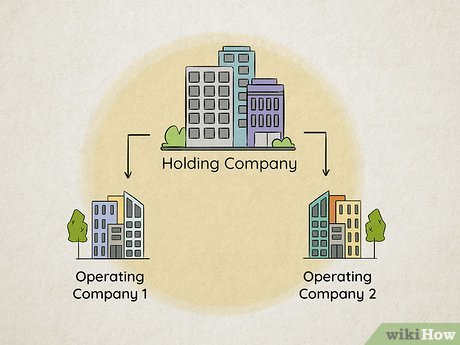
At its simplest, a holding company owns shares in other companies. It does not usually produce goods or provide services directly.
Instead, its main purpose is to control and manage other businesses. These other businesses are often called subsidiaries of the holding company.
The holding company benefits financially through the performance of these subsidiaries. Its value comes from ownership and control, not direct daily operations.
This structure might sound unusual, but it appears constantly in real business. Many well known corporations are actually structured as holding companies.
A single holding company might own several completely different subsidiary businesses. One subsidiary might sell consumer products, while another provides financial services.
The holding company sits above them all, owning shares in each division. This creates a clear organizational hierarchy across very different business activities.
One major reason companies choose this structure is risk management. Each subsidiary is typically treated as a separate legal entity.
This means financial or legal problems in one subsidiary usually stay contained. If one subsidiary faces a lawsuit or serious debt, others remain protected.
This separation can shield the overall parent company from major losses. It essentially creates firewalls between different parts of a larger business empire.
Tax efficiency is another common reason businesses adopt this model. Depending on local laws, holding companies can sometimes optimize tax obligations.
Profits, losses, and dividends between subsidiaries may be managed more strategically. This does not mean avoiding taxes illegally, but rather planning legally and efficiently.
READ ALSO:Pros and Cons of a Holding Company Structure for Small Business Owners
Many multinational corporations use holding structures partly for this financial flexibility. Tax rules vary significantly by country, so expert guidance matters here.
Holding companies also make it easier to manage diverse business interests. An entrepreneur might use one holding company to oversee several small businesses.
This creates centralized oversight without merging the businesses into a single operation. Each subsidiary can maintain its own management team and daily operations.
Meanwhile, the holding company focuses on overall strategy and financial performance. This structure supports growth without losing operational focus at each individual business.
It is worth noting some potential downsides to this structure as well. Setting up and maintaining a holding company involves legal and administrative complexity.
Multiple entities often mean multiple sets of financial records and filings. Smaller businesses may find this complexity unnecessary or overly costly.
A holding company structure generally makes more sense as businesses grow larger. For very small or single business operations, simpler structures often work better.
In simple terms, a holding company is a business that owns other businesses. It provides oversight, risk protection, and potential financial advantages across subsidiaries.
This structure is especially common among larger, more diversified companies. Understanding this concept helps clarify how many major corporations are actually organized.
For growing businesses considering expansion, it can also be a useful strategic option. As always, professional legal and financial advice is essential before restructuring.








Leave a Reply