
Flutterwave acquires Mono, the pioneering Nigerian open banking startup, in a strategic deal announced on January 5, 2026.
This acquisition integrates Mono’s advanced APIs for secure financial data access, identity verification, and account-to-account payments into Flutterwave’s extensive payments platform, marking a significant advancement in open banking technologies across African fintech.
Mono will continue to operate independently, retaining its team and leadership. This move enhances Flutterwave’s offerings, enabling more trusted, data-driven services while accelerating the shift toward authenticated payment flows and potential future innovations in stablecoins and open finance.
Flutterwave’s Strategic Enhancement Through Mono
The acquisition equips Flutterwave, Africa’s leading payments technology company, with Mono’s robust open banking infrastructure.
Mono’s APIs facilitate secure connections to financial data across banks, supporting direct payments and verification processes that reduce reliance on traditional card-based transactions.
Olugbenga ‘GB’ Agboola, CEO of Flutterwave, stated: “Payments, data, and trust cannot exist in silos. Open banking is the connective tissue. This acquisition lets us build faster, more trusted services across African markets.”
Abdulhamid Hassan, CEO of Mono, added, “Mono’s data and payment tools combined with Flutterwave’s scale create a stronger, more comprehensive infrastructure for the next generation of African fintech.”
This integration positions Flutterwave to deliver seamless, bank-based solutions, fostering greater interoperability in the continent’s fragmented financial landscape.
Other Notable Adopters of Open Banking in Africa
Beyond Flutterwave, several African fintech companies and platforms are actively embracing open banking principles to drive innovation and financial inclusion.

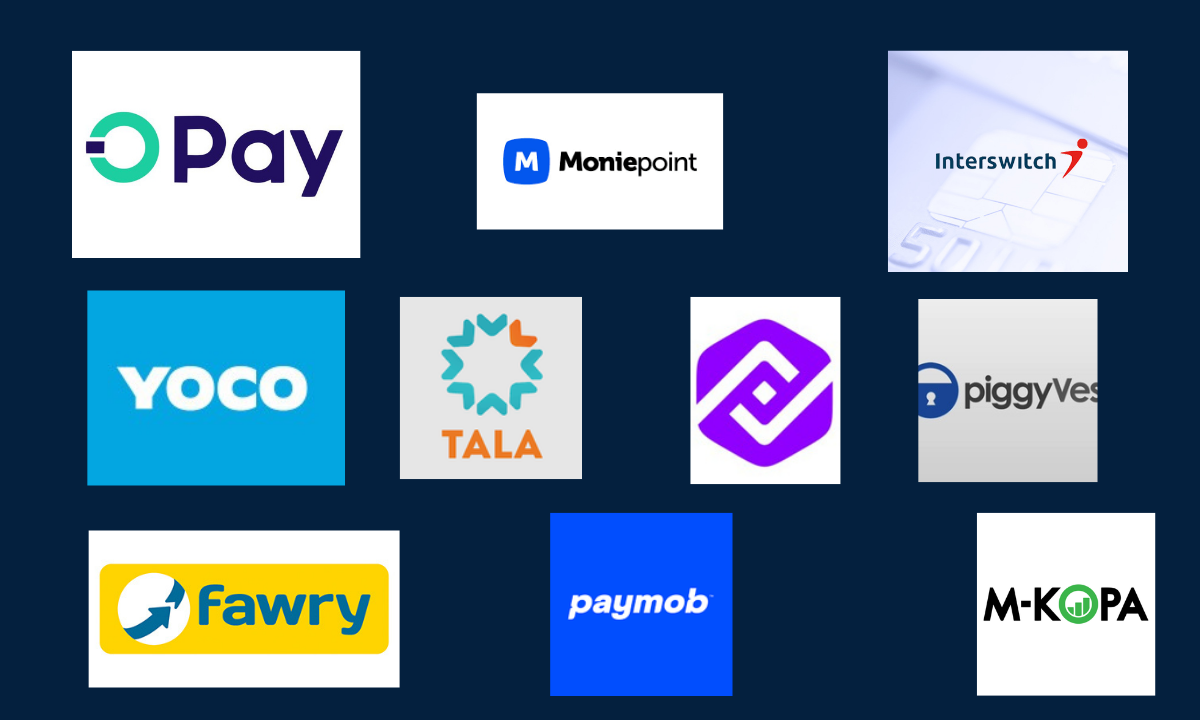
Visual representation of open banking ecosystems and fintech innovation driving financial services across Africa.
In South Africa, providers such as Stitch facilitate open banking by enabling secure data sharing and payments, supporting embedded finance solutions.
TymeBank, a prominent digital bank, leverages open platforms for partnerships and rapid service development.
Nigeria has seen regulatory progress with formal open banking frameworks, encouraging adoption among fintechs despite challenges faced by earlier players like Okra.
In Kenya, Ghana, and Rwanda, guidelines promote open banking, with companies exploring API-driven models for data access and payments.
These efforts align with broader trends, where open banking enhances competition, reduces costs, and improves access to financial services in underserved markets.
READ ALSO:How Flutterwave’s API Is Powering Payful’s Expansion Across African Markets
Broader Implications for African Fintech
Open banking technologies are gaining traction in Africa, supported by evolving regulations in key markets and voluntary initiatives elsewhere. By enabling secure data sharing and direct transactions, these technologies promote trust, efficiency, and innovation.
The Flutterwave-Mono deal exemplifies how acquisitions can consolidate capabilities, paving the way for more integrated ecosystems that benefit consumers and businesses alike.
The adoption of open banking technologies by African fintech companies, exemplified by Flutterwave’s acquisition of Mono, signals a maturing sector focused on interoperability, security, and scalability.
Initiatives across Nigeria, South Africa, and other nations contribute to a more inclusive financial landscape, reducing silos and enabling innovative services.
This evolution holds promise for enhanced economic participation and efficiency continent-wide. For the most current developments, refer to official announcements from the respective companies and regulatory bodies.
Open Banking Overview
The question What is open banking payments often centers on the secure use of customer-permissioned data to initiate bank-to-bank transactions through an open banking api, enabling faster and more transparent financial services.
Common open banking examples include account aggregation, instant payments, and personalized financial products, all built on a structured open banking architecture that connects banks, fintechs, and third-party providers.
Open banking India has gained momentum through regulatory support and growing digital adoption, leading to the rise of multiple open banking companies operating across payments, lending, and data services.
In parallel, fintech platforms such as Flutterwave integrate seamlessly into this ecosystem, allowing users to complete Flutterwave app download, Flutterwave sign up, and Flutterwave login processes to access and manage a Flutterwave account for online payments and business transactions.
Ronnie Paul is a seasoned writer and analyst with a prolific portfolio of over 1,000 published articles, specialising in fintech, cryptocurrency, climate change, and digital finance at Africa Digest News.








Leave a Reply